 Pin This
 My friend Sarah showed up one sweltering July afternoon with a bag of fresh herbs and insisted we make something light but filling. We emptied her farmers market haul onto the counter—bright carrots, glossy bell peppers, a bunch of cilantro that smelled like a Thai restaurant—and decided to skip the rolling altogether. Instead, we built bowls, letting everyone customize their own pile of noodles and vegetables, drizzling everything with a peanut sauce that tasted like summer itself. That evening taught me that sometimes the best meals aren't the most complicated ones, just the ones built with intention and eaten without rushing.
My partner had been craving Vietnamese food, and instead of ordering takeout for the third time that week, I decided to prove I could recreate something close at home. I was nervous about the peanut sauce—would it taste watered down, too thin, missing that restaurant richness?—but when I whisked it together and tasted that first spoonful, I realized I'd been overthinking it. The sauce came together so effortlessly that we ended up making this bowl twice more that month, each time tweaking the vegetables based on what looked good at the market.
Ingredients
- Rice vermicelli noodles (200 g): These delicate strands cook in minutes and provide the perfect tender base, much lighter than regular pasta and authentic to the dish.
- Sesame oil (2 tablespoons total): A little goes a long way here—toss some with the cooked noodles to keep them from sticking together, and add more to the sauce for that nutty depth.
- Carrots and cucumber (2 medium, 1 small): Julienne them thin so they stay crisp even as they sit in the bowl; the texture contrast matters more than you'd think.
- Red bell pepper and red cabbage: The color is part of the joy of eating this dish, but they also add natural sweetness that balances the savory sauce.
- Bean sprouts and spring onions: These are your freshness insurance—they stay crisp and bright even if someone lets their bowl sit for a minute before eating.
- Fresh cilantro and mint: Don't skip the herbs; they're not garnish, they're essential flavor, and they taste completely different when they're fresh versus wilted.
- Firm tofu or cooked shrimp: Choose based on what you're in the mood for; tofu gets crispy and absorbs the peanut sauce beautifully, while shrimp stays light and tender.
- Creamy peanut butter (4 tablespoons): Use the real stuff, not the super-processed kind, because you can taste the difference in every spoonful of sauce.
- Soy sauce, rice vinegar, and maple syrup: These three balance each other perfectly—salty, tangy, and slightly sweet—creating a sauce that tastes complete.
- Fresh garlic and ginger (1 clove, 1 teaspoon): Mince them fine so they distribute evenly through the sauce rather than settling in chunks.
- Warm water (2–4 tablespoons): This is how you control the sauce consistency; add it gradually so it reaches that pourable sweetspot without becoming soup.
- Roasted peanuts and sesame seeds: These add the final crunch and visual polish that makes people think you spent hours on this.
Tired of Takeout? 🥡
Get 10 meals you can make faster than delivery arrives. Seriously.
One email. No spam. Unsubscribe anytime.
Instructions
- Cook the noodles until tender:
- Bring a pot of water to a boil and add the rice vermicelli—they'll soften in just a few minutes, so don't wander off. Drain them into a colander, rinse under cold running water until they stop steaming, then toss with a tablespoon of sesame oil so they don't clump together into one sad mass.
- Prepare vegetables while noodles cook:
- Use a sharp knife or julienne peeler to cut the carrots and cucumber into thin, elegant matchsticks, and slice everything else while you have focus. Keeping them in separate bowls makes assembly faster and lets people pick exactly what they want in their bowl.
- Get your protein ready:
- If using tofu, press it gently between paper towels to remove excess moisture, cube it, then pan-fry in a bit of oil over medium heat until the edges turn golden and crispy—this takes about 8 minutes and transforms it from bland to actually delicious. For shrimp, make sure they're cooked, cooled, and ready to scatter over the top.
- Whisk together the peanut sauce:
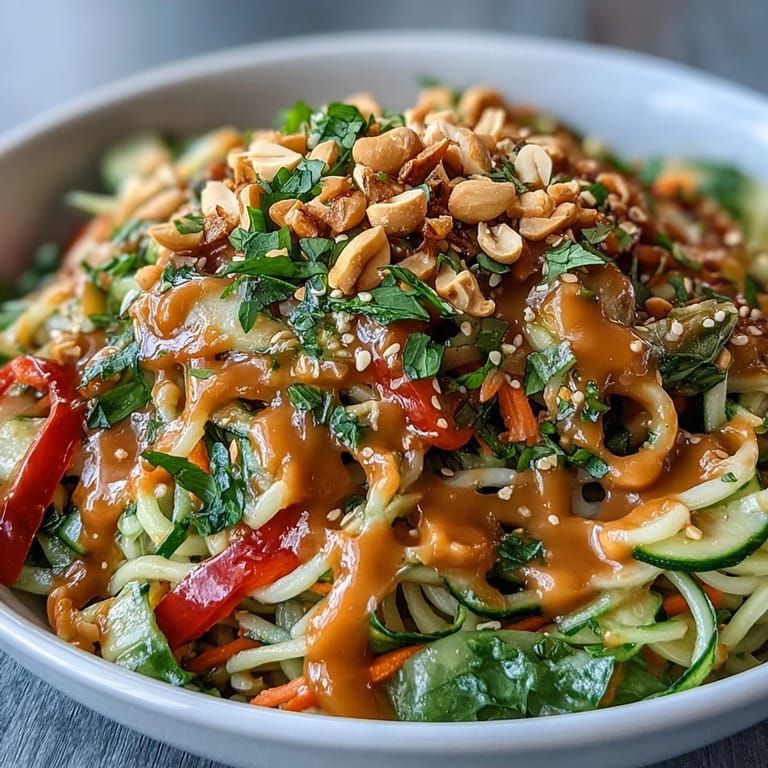
- Combine the peanut butter, soy sauce, rice vinegar, maple syrup, sesame oil, garlic, and ginger in a bowl and whisk until mostly smooth. Add warm water one tablespoon at a time, stirring after each addition, until you get a sauce that drizzles off the whisk without being so thin it disappears.
- Build each bowl with intention:
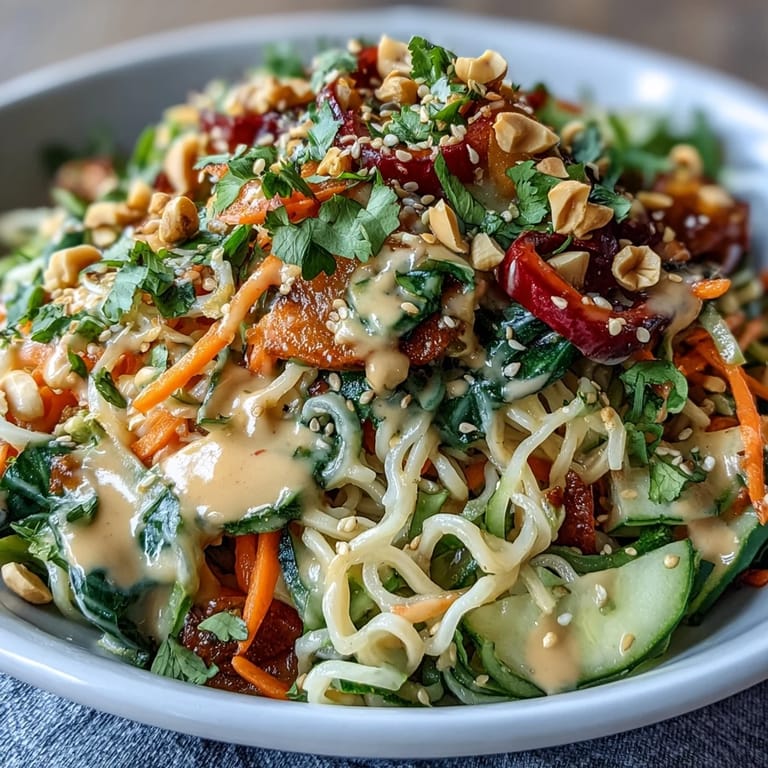
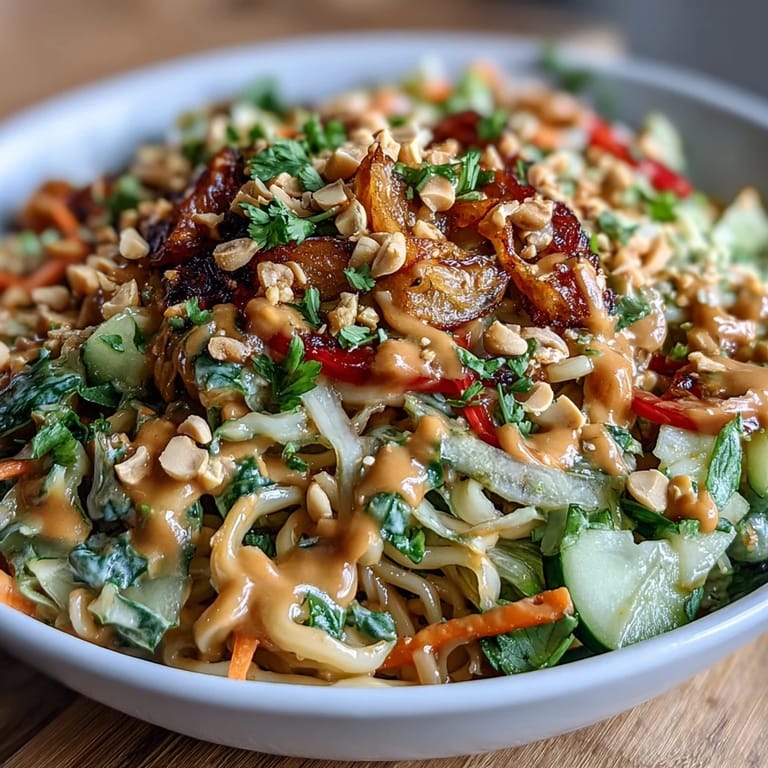
- Start with a bed of cool noodles, then arrange the vegetables, protein, and herbs in little piles around the top so everything looks beautiful and diners can choose their ratio. This isn't just functional—it makes people excited to eat.
- Finish with sauce and garnish:
- Pour a generous amount of peanut sauce over each bowl—don't be shy—then sprinkle with chopped peanuts, sesame seeds, and a lime wedge. Serve immediately, but let everyone mix their own, because that's when the real flavor magic happens.
 Pin This
 One evening, my eight-year-old nephew actually asked for seconds of vegetables because he got to build his own plate and felt like he was in charge of his meal. That moment shifted something for me about how we serve food—sometimes the best gift isn't a perfectly composed plate, it's the freedom to compose it yourself. This bowl does that, and it's made me rethink how I approach other recipes since.
Making the Peanut Sauce Silky and Perfect
The sauce is where this whole dish either soars or disappoints, so let's talk about getting it right. I used to make my peanut sauce too thick, thinking it needed to cling to everything, until I realized that the best sauce on any bowl should move and coat rather than sit there like cement. The secret is starting with a solid base—whisking the peanut butter with the wet ingredients until it's smooth—and then treating the warm water like seasoning, adding it gradually while you taste and adjust.
Building Flavor Through Texture Variety
This bowl works because it plays with contrasts: crisp vegetables against soft noodles, fresh herbs against rich sauce, the crunch of peanuts and sesame seeds against everything else. Each texture tells a different story on your tongue, and together they create something more interesting than any single component could be alone. When I first made this, I threw everything in without thinking about arrangement, and it tasted fine but felt monotonous. Once I started placing items intentionally around the bowl, even though they all mixed together while eating, the entire experience became more engaging.
Customizing Your Bowl for What You Crave
This is where the real joy lives—you can build a completely different bowl every time depending on what's in your kitchen, what your body needs, or what you're in the mood for. Some days I add crispy baked chickpeas for extra protein and earthiness, other times I throw in sliced avocado or cucumber for creaminess. The framework stays the same, but the flavor journey changes, which means this recipe stays exciting even after making it a dozen times.
- For extra heat, add a few slices of fresh chili or a dash of sriracha swirled into the peanut sauce.
- If you want more protein without tofu or shrimp, grilled chicken, baked tempeh, or even crispy baked chickpeas work beautifully.
- Remember that you can prep all the vegetables the night before and keep them in containers, so last-minute assembly becomes genuinely fast.
 Pin This
 This bowl became my go-to meal when I wanted something nourishing that didn't feel like I'd spent the whole evening cooking. It's the kind of recipe that teaches you that sometimes less technique and more assembly creates more joy.
Recipe Q&A
- → How do I prepare the noodles for this bowl?
Cook rice vermicelli noodles according to package instructions. Drain and rinse under cold water, then toss with sesame oil to prevent sticking.
- → Can I substitute the protein in this dish?
Yes, choose between pan-fried tofu for vegetarian options or cooked shrimp for pescatarians. Grilled chicken also works well as a swap.
- → How is the peanut sauce made?
Whisk together creamy peanut butter, soy sauce or tamari, rice vinegar, maple syrup or honey, sesame oil, garlic, and grated ginger. Thin with warm water until pourable.
- → What garnishes add extra flavor and texture?
Roasted chopped peanuts and toasted sesame seeds add crunch, while a squeeze of lime brightens the overall flavor.
- → Is this dish suitable for gluten-free diets?
Yes, by using tamari instead of soy sauce, the bowl can easily be made gluten-free.