 Pin This
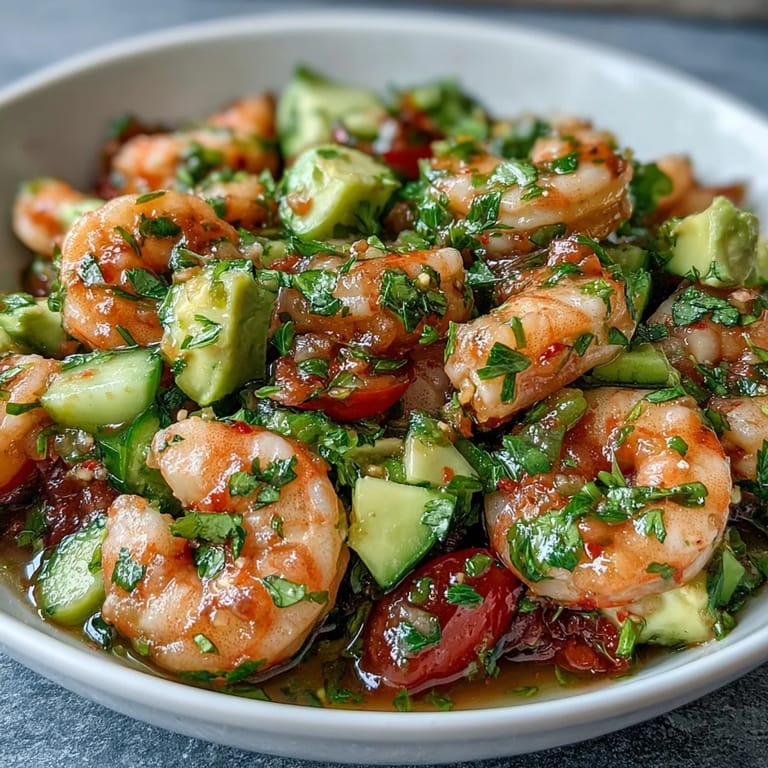
 My friend Maria handed me a chilled bowl of this ceviche at a beachside dinner, and I was instantly transported—the sharp lime hit first, then the slow burn of chilli, and finally that creamy avocado that made everything make sense. I'd never made it before, but watching her work through it so casually made me realize how approachable this dish actually is. There's something almost magical about how lime juice transforms raw shrimp without any heat, and the cilantro keeps everything bright and alive. Now it's become my go-to when I want to feel like I'm cooking something impressive without the stress.
I made this for a small gathering last summer when nobody wanted to eat anything warm, and it became the only thing people came back to. One guest kept saying he could taste the ocean, and another asked if I'd somehow infused it with sunshine. That moment made me understand that ceviche isn't just a dish—it's a feeling, especially when you're eating it with people you actually want to be around.
Ingredients
- Raw shrimp, peeled and deveined (400 g or 14 oz, cut into 1 cm pieces): Use the freshest shrimp you can find—ask your fishmonger when they arrived that day, and don't be shy about it. Cutting them smaller speeds up the curing process and makes for better bites.
- Freshly squeezed lime juice (120 ml or ½ cup from about 4–5 limes): This is the star player, so don't use bottled juice—the real thing tastes brighter and actually does the chemical magic that cooks the shrimp. Room temperature limes yield more juice, so leave them out for a few minutes before squeezing.
- Small red onion, finely diced: The red onion adds a gentle sharpness and that beautiful color; if you find it too harsh, you can quickly rinse the diced pieces in cold water to soften the bite.
- Jalapeño or red chilli, seeded and finely chopped: Seeding removes most of the heat but leaves the flavor—though if you like real fire, leave some seeds in. I learned the hard way that chilli intensity varies wildly, so taste as you go.
- Garlic clove, minced: One is plenty; garlic can quickly overpower the delicate lime and shrimp, so resist the urge to add more.
- Sea salt (½ tsp): Salt brings everything into focus, but add it after the shrimp has marinated so you can taste and adjust without oversalting.
- Ripe avocado, diced: Add this at the very last moment before serving, otherwise it'll break down and turn the whole bowl brown and mushy. Choose one that yields gently to pressure, not rock hard.
- Medium tomatoes, seeded and diced: Seeding keeps the ceviche from becoming watery—I learned this by making a soggy batch once and never again.
- Small cucumber, peeled, seeded, and diced: The cucumber adds a cool, crisp contrast that keeps things fresh and prevents the dish from feeling too heavy.
- Fresh cilantro, finely chopped (3 tbsp): This is what makes it sing at the end; add it just before serving so it stays vibrant green and aromatic.
Tired of Takeout? 🥡
Get 10 meals you can make faster than delivery arrives. Seriously.
One email. No spam. Unsubscribe anytime.
Instructions
- Combine shrimp and lime juice in a glass bowl:
- Use glass or ceramic—never metal, which can react with the acid. Stir the shrimp so every piece gets coated in that bright juice, then cover and slide it into the fridge.
- Marinate for 30 minutes, stirring halfway through:
- Watch as the shrimp gradually turns from translucent gray to opaque pink—that's the lime juice doing its job, curing the shrimp just like heat would. If your shrimp is particularly thick, you might need a few extra minutes.
- Add onion, chilli, garlic, and salt:
- Let it rest for 5 minutes:
- This brief pause lets the flavors start talking to each other. Taste here and decide if you want more heat or salt before moving forward.
- Gently fold in avocado, tomatoes, cucumber, and cilantro:
- Fold gently so the avocado stays in nice pieces rather than getting mashed into the lime juice. This is the moment where all the components come together and it stops being ingredients and becomes a dish.
- Taste and adjust seasoning:
- This is crucial—add more salt if it feels flat, more chilli if you want heat, or a squeeze of extra lime if the flavors seem muted. Trust your palate.
- Serve immediately while chilled:
- Plate it up right away, garnish with lime wedges, and offer tortilla chips or tostadas on the side for people to scoop and crunch.
 Pin This
 This dish taught me that sometimes the best meals are the ones where you're not fighting against ingredients—where you're working with them, trusting them. There's something almost meditative about watching lime juice cure shrimp, knowing that chemistry and time are doing the cooking for you.
The Chemistry Behind the Cure
The citric acid in lime juice denatures the proteins in raw shrimp, which is exactly what heat does when you cook it—the result looks and tastes cooked even though no fire ever touched it. I was skeptical the first time, staring at pink shrimp and wondering if I was about to make everyone sick, but the transformation is real and has been trusted by coastal cultures for centuries. The key is understanding that this only works if your shrimp is genuinely fresh; old shrimp won't cure properly no matter how much lime juice you use.
Timing and Temperature Matter
Ceviche lives in the moment—it's best eaten the day you make it, ideally within a few hours. After that, the textures start to break down and the shrimp can become rubbery as the acid continues to work its way through. Keep everything cold from start to finish; a warm kitchen can speed up the curing process unpredictably, and you want control over when your shrimp goes from raw to cured.
Variations and Personal Touches
Once you understand the basics, this dish becomes a canvas for your own preferences and seasonal finds. I've added everything from mango to pomegranate seeds, swapped cilantro for mint when I've had it on hand, and even used a mix of lime and grapefruit juice when I wanted something earthier. The foundational technique stays the same, but the personality changes depending on what excites you that day.
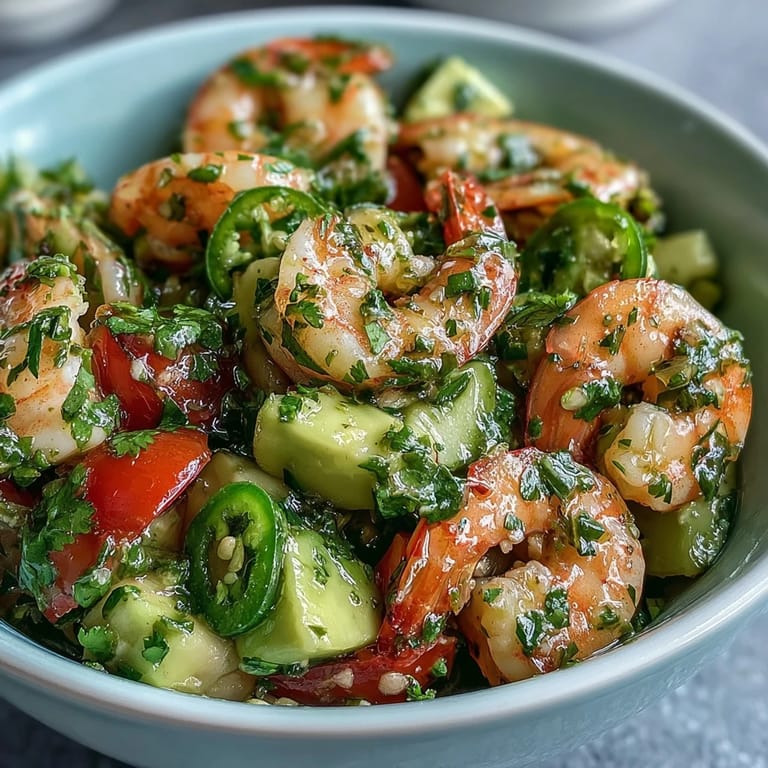
- For extra heat, add sliced jalapeños or a dash of hot sauce, or leave some chilli seeds in instead of removing them.
- Substitute half the lime with lemon or even white wine vinegar if you want to experiment with different citrus notes and depths.
- Serve it in crispy tortilla cups if you want something more substantial, or alongside fresh corn tortillas if you prefer something simpler.
 Pin This
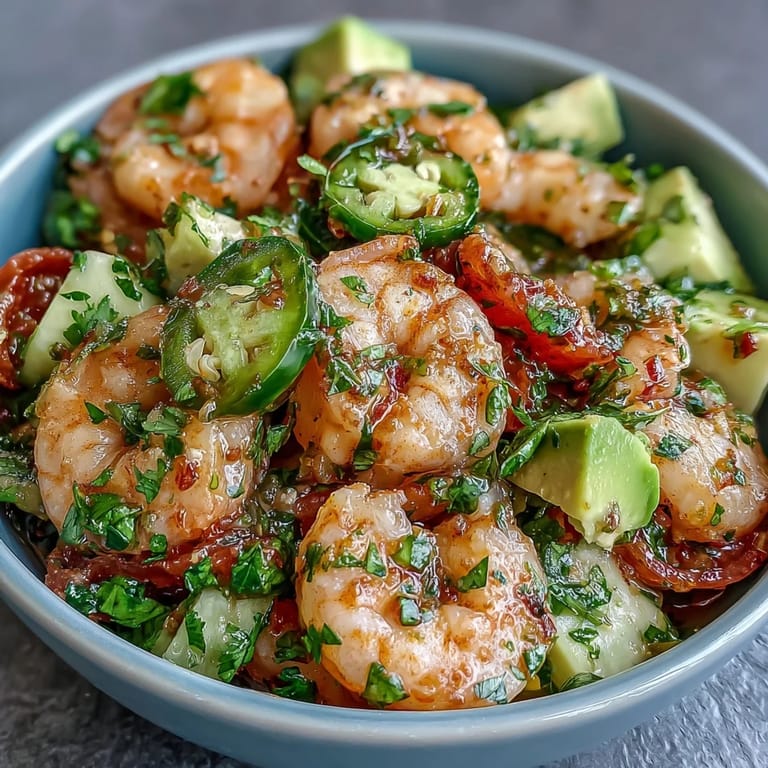
 Ceviche feels like a secret every time you make it, even though it's really just good ingredients and patience. Once you've made it once, you'll understand why people keep coming back for more.
Recipe Q&A
- → How is the shrimp prepared safely without cooking?
The lime juice 'cooks' the shrimp by denaturing the proteins during marination, turning them opaque and firm.
- → Can I adjust the spiciness level of the dish?
Yes, add more chilli or include a dash of hot sauce to increase heat according to your preference.
- → What is the best way to serve this shrimp dish?
Serve chilled with fresh lime wedges and tortilla chips or tostadas for extra texture and flavor contrast.
- → Are there any suitable substitutions for lime juice?
You can substitute half of the lime juice with lemon juice for a slightly different citrus note.
- → What tools are recommended for preparation?
A sharp knife, cutting board, citrus juicer, mixing bowl, and spoon are ideal for assembling the ingredients.