 Pin This
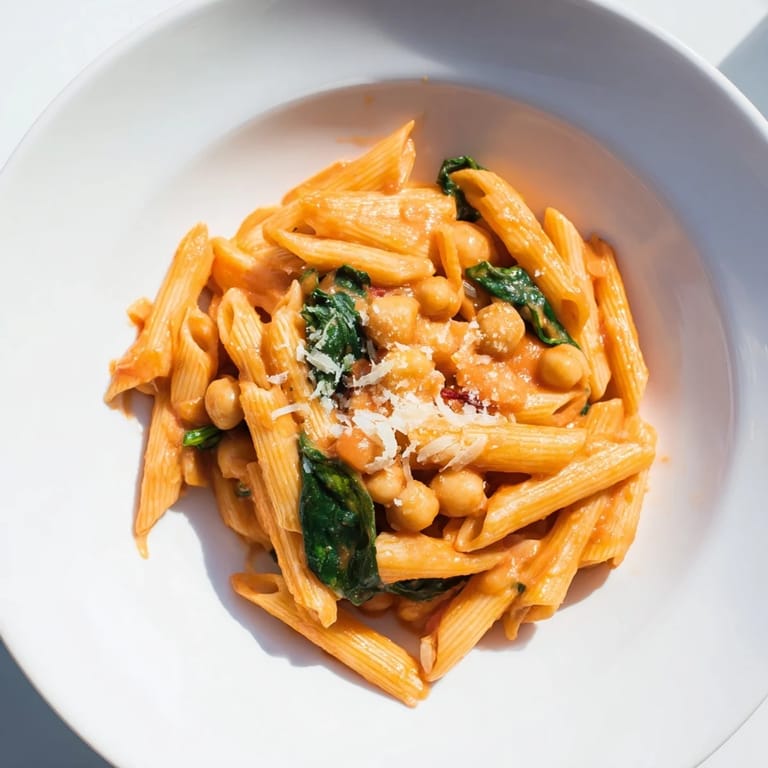
 The smell of garlic hitting hot olive oil always pulls me straight into the moment, and this pasta does exactly that every single time. I threw this together on a Tuesday night when the fridge was looking sparse and I needed something filling that didn't involve a grocery run. What started as a pantry raid turned into one of those dishes I now make on repeat, the kind that feels like a warm hug in a bowl. The creaminess, the pop of chickpeas, the way spinach wilts into the sauce—it all just works. Sometimes the best recipes are born out of necessity and a little bit of luck.
I made this for a friend who swore she didn't like chickpeas, and she went back for seconds without saying a word. By the third bite, she looked up and asked what was in it, and when I told her, she just laughed and shook her head. That's the magic of a good sauce—it changes minds quietly. We sat at the table longer than usual that night, talking and twirling pasta, and I realized this dish has a way of slowing things down. It's comfort food that doesn't ask for much but gives back plenty.
Ingredients
- Short pasta (penne, rigatoni, or fusilli): The ridges and tubes catch the creamy sauce beautifully, and cooking it just until al dente means it holds up when tossed in the skillet.
- Olive oil: A good glug of this is the base for everything, bringing out the sweetness in the onions and making the garlic bloom without burning.
- Yellow onion: Finely chopped and sautéed until soft, it melts into the background and adds a subtle sweetness that balances the tomatoes.
- Garlic: Three cloves minced fine, just enough to perfume the kitchen and make your stomach rumble in anticipation.
- Chickpeas: Drained and rinsed well, they soak up all the flavors and add a satisfying bite that makes this more than just pasta.
- Diced tomatoes: The backbone of the sauce, bringing acidity and body that the cream softens into something luscious.
- Vegetable broth: Just a splash thins the sauce to the right consistency and adds a savory depth you can't get from water.
- Dried oregano and thyme: These bring that Mediterranean warmth, the kind that makes you feel like you're cooking in a Tuscan kitchen.
- Crushed red pepper flakes: Optional, but a pinch adds a gentle heat that wakes up the whole dish without overwhelming it.
- Heavy cream: This is what transforms the sauce from good to silky and crave-worthy, coating every ingredient in richness.
- Parmesan cheese: Grated fresh if you can, it melts into the cream and adds a salty, nutty finish that ties everything together.
- Baby spinach: It wilts down in minutes and adds color, nutrition, and a slight earthiness that balances the richness.
- Fresh basil: Torn at the last second, it brightens the whole plate and makes it feel special, even on a weeknight.
Tired of Takeout? 🥡
Get 10 meals you can make faster than delivery arrives. Seriously.
One email. No spam. Unsubscribe anytime.
Instructions
- Boil the pasta:
- Get a large pot of salted water rolling, then drop in your pasta and cook it until it's just shy of tender. Don't forget to scoop out half a cup of that starchy water before you drain—it's liquid gold for adjusting your sauce later.
- Sauté the base:
- While the pasta bubbles away, warm olive oil in a big skillet over medium heat and toss in the chopped onion. Let it soften and turn translucent for about three to four minutes, stirring now and then so it doesn't catch.
- Add the garlic:
- Toss in the minced garlic and stir for about a minute, just until it smells amazing and starts to turn golden. Don't walk away or it'll burn and turn bitter in a heartbeat.
- Build the sauce:
- Stir in the chickpeas, diced tomatoes, vegetable broth, oregano, thyme, and red pepper flakes if you're using them. Season with salt and pepper, then let it all simmer uncovered for about ten minutes, stirring occasionally so nothing sticks.
- Make it creamy:
- Turn the heat down to low and pour in the cream, then sprinkle in the Parmesan. Stir until everything melts together into a smooth, dreamy sauce that coats the back of your spoon.
- Wilt the spinach:
- Add the spinach a handful at a time, stirring gently until it wilts down into the sauce. It'll look like a lot at first, but it shrinks fast and adds the prettiest green flecks.
- Toss the pasta:
- Add the drained pasta right into the skillet and toss everything together, adding splashes of that reserved pasta water until the sauce clings to every piece. You want it glossy, not dry or soupy.
- Serve it up:
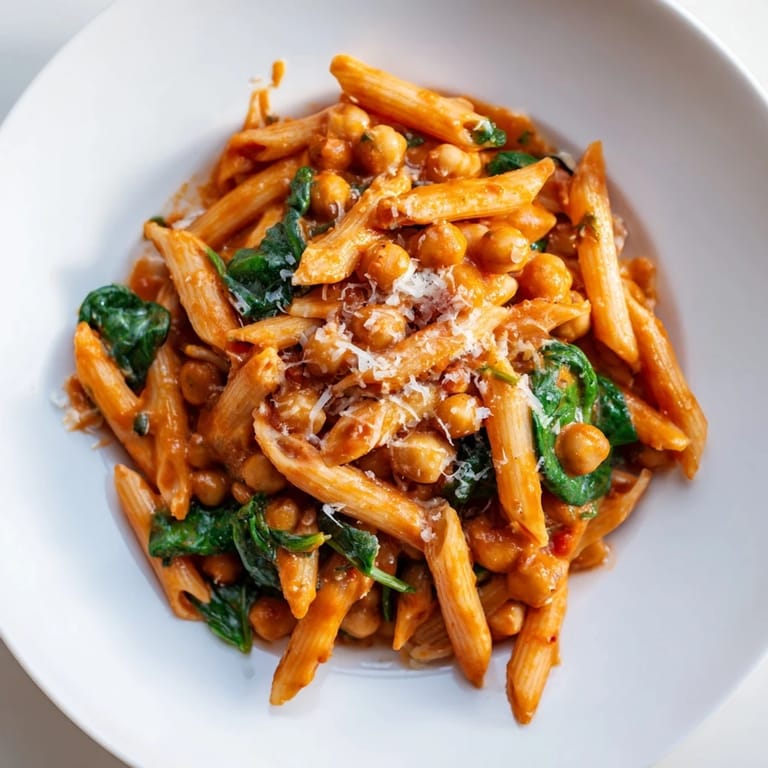
- Plate it while it's hot, then finish with torn basil leaves and a generous sprinkle of extra Parmesan. Serve immediately and watch it disappear.
 Pin This
 One evening I made this after a long day and sat down to eat it straight from the skillet, too tired to bother with a proper bowl. My partner walked in, grabbed a fork, and joined me without a word, and we just stood there at the stove eating together in comfortable silence. That's when I knew this dish had earned its place in the rotation—it doesn't need ceremony or perfection, just good company and an empty stomach. Some recipes feed more than just hunger, and this one does exactly that.
Making It Your Own
This pasta is incredibly flexible and takes well to whatever you have on hand or whatever mood you're in. If you want to make it vegan, swap the heavy cream for a plant-based version like oat or cashew cream, and use a good quality vegan Parmesan or nutritional yeast for that cheesy finish. I've also thrown in sun-dried tomatoes for a tangy sweetness or stirred in roasted red peppers for a smoky depth, and both versions were just as good as the original. Kale works beautifully in place of spinach if you want something heartier that holds its shape a bit better. The beauty of this dish is that it adapts without losing its soul.
Pairing and Serving
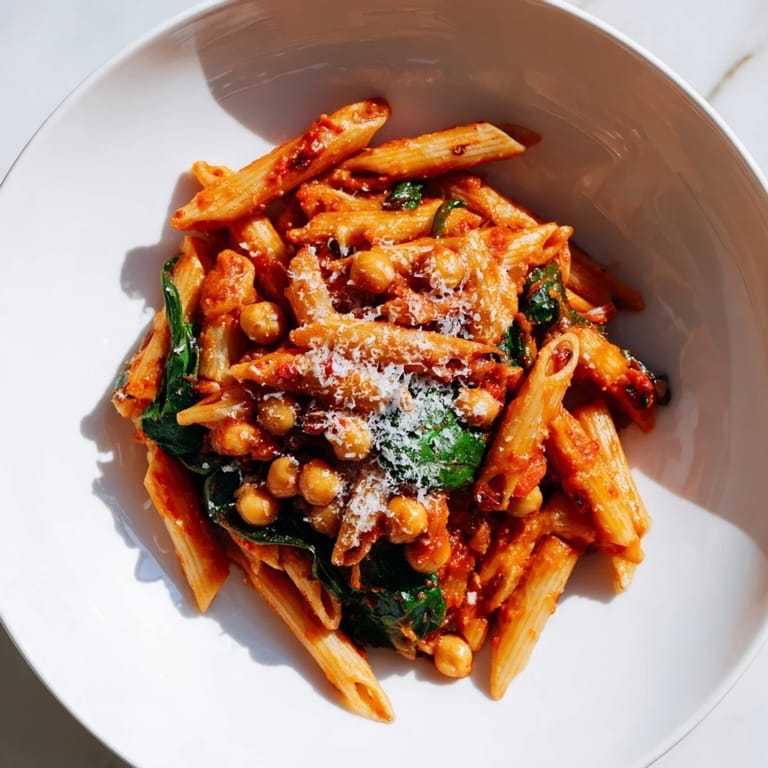
This pasta is rich enough to stand on its own, but a simple side salad with a bright vinaigrette cuts through the creaminess and makes the meal feel more complete. I like to serve it with a crisp white wine like Pinot Grigio or a light Vermentino, something that refreshes your palate between bites. If you're feeding a crowd, double the recipe and serve it family-style in a big shallow bowl—it always looks impressive and invites people to dig in. A crusty loaf of bread on the side is never a bad idea, especially for mopping up any sauce left on the plate.
Storage and Reheating
Leftovers keep well in an airtight container in the fridge for up to three days, though the pasta will soak up some of the sauce as it sits. When you reheat it, add a splash of vegetable broth or even just water to loosen it back up, and warm it gently in a skillet over medium-low heat, stirring often. I don't recommend freezing this one because the cream can separate and the texture of the pasta suffers, but honestly, I've never had leftovers last long enough to test that theory. It's the kind of dish that gets picked at cold straight from the fridge the next morning, no judgment.
- Stir in a little extra cream or pasta water when reheating to bring the sauce back to life.
- Taste and adjust seasoning after reheating, as flavors can mellow overnight in the fridge.
- If the spinach looks a bit sad after storing, toss in a handful of fresh greens when you reheat for a color boost.
 Pin This
 This pasta has become one of those quiet favorites that doesn't demand much but delivers every single time. Make it on a night when you need something easy and soul-satisfying, and I promise it won't let you down.
Recipe Q&A
- → Can I use dried chickpeas instead of canned?
Yes, use pre-cooked dried chickpeas. Soak dried chickpeas overnight, cook until tender (about 45-60 minutes), then use 1.5 cups in the recipe. This adds slightly more texture and flavor depth.
- → How do I prevent the cream from curdling?
Always reduce heat to low before adding cream. Stir the cream in slowly while continuously mixing. Ensure the tomato mixture isn't boiling vigorously when cream is added. Room temperature cream also helps prevent curdling.
- → What pasta shapes work best?
Short pasta like penne, rigatoni, and fusilli work excellently as they catch the creamy sauce. Avoid long pasta like spaghetti, which doesn't hold the sauce as well. Any short, tubular pasta works beautifully.
- → Can I make this ahead?
Prepare the chickpea sauce up to 2 days ahead and refrigerate. Cook pasta fresh when ready to serve, then combine with reheated sauce. Don't store the finished dish as pasta becomes mushy when left in sauce for extended periods.
- → What substitutes work for heavy cream?
Use Greek yogurt, coconut cream, cashew cream, or oat-based cream for dairy-free options. Mix these in slowly to avoid breaking. Plant-based alternatives maintain the dish's creamy texture while keeping it vegan-friendly.
- → How do I adjust the sauce consistency?
Add reserved pasta water gradually until reaching desired consistency. For thicker sauce, simmer longer without cover. For thinner sauce, add more broth or pasta water. The sauce thickens as it cools slightly.