 Pin This
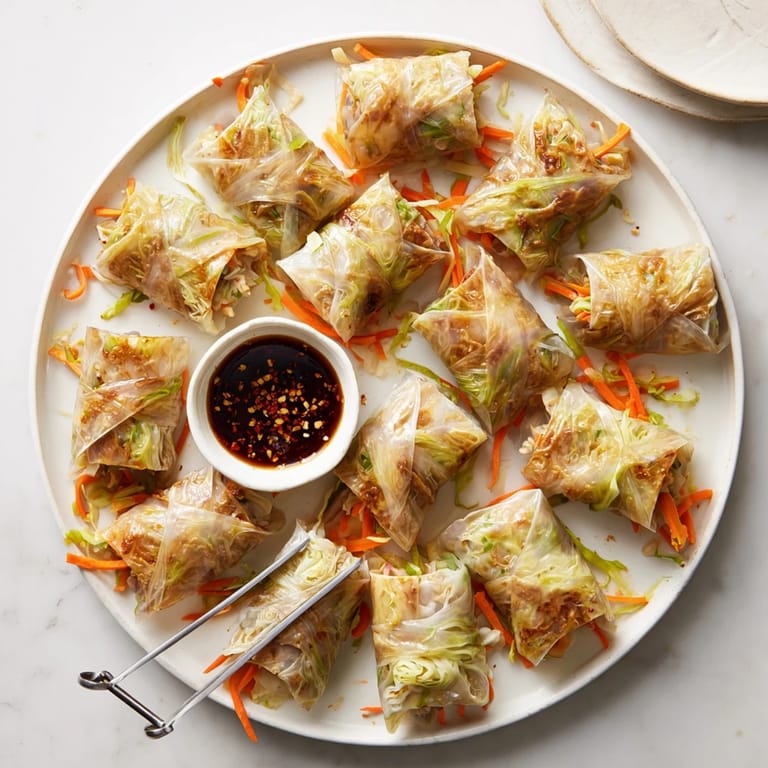
 The kitchen counter was covered in rice paper fragments my first attempt at these. I'd gotten the timing wrong on the soaking, and instead of pliable wrappers, I ended up with a sticky, torn mess that stuck to everything including my hands. My roommate walked in, took one look at the disaster, and asked if we were having papier-mâché for dinner. But that failure taught me exactly how to work with rice paper, and now these crispy dumplings have become the appetizer everyone actually asks for when they come over.
Last winter during a particularly bleak week of gray skies and endless rain, I made a double batch for my sister who was going through a rough time. She sat at the kitchen island, dipping each dumpling into the sauce, and told me the crunch alone was making her feel better. We stood there eating them straight from the pan, burning our fingers slightly because neither of us could wait for them to cool down properly.
Ingredients
- Ground chicken or pork (200 g): The fat in pork keeps the filling juicy, but ground chicken works beautifully if you want something lighter, and firm tofu crumbles perfectly for a vegan version that still holds its texture
- Carrot (1 small, julienned): These add essential crunch and sweetness that balance the savory filling, so cut them into thin matchsticks so they cook through evenly
- Cabbage (1 cup, finely shredded): Use Napa cabbage for a more delicate texture or regular green cabbage for extra crunch, but slice it as thinly as possible so it integrates seamlessly into the filling
- Spring onions (2, thinly sliced): Both the white and green parts work here, adding a mild onion flavor that does not overpower the other ingredients
- Garlic (2 cloves, minced): Freshly minced garlic gives you the best flavor punch, but do not let it brown when you are cooking the dumplings or it will turn bitter
- Ginger (1 tbsp, grated): Fresh ginger brings warmth and depth that dried ginger cannot replicate, so grate it finely so it disperses throughout the filling without creating spicy pockets
- Soy sauce (2 tbsp): This provides the foundational salt and umami, but use tamari if you need this to be gluten-free without sacrificing any flavor
- Sesame oil (1 tbsp): Toasted sesame oil adds that nutty, aromatic finish that makes the filling taste complete, but a little goes a long way
- Sugar (1 tsp): Just a touch balances the saltiness from the soy sauce and helps the vegetables release their moisture for a cohesive filling
- Black pepper (1/2 tsp): Freshly ground black pepper adds a subtle heat that lingers pleasantly after each bite
- Rice paper wrappers (16, 22 cm diameter): These create the most delicate, crispy shell when pan-fried, and they are naturally gluten-free which makes them accessible to everyone
- Vegetable oil (2 tbsp): You need a neutral oil with a high smoke point for pan-frying, and this amount lets you get that golden exterior without making the dumplings greasy
- Warm water: Keep it barely warm to the touch, because hot water will make the wrappers too soft too fast and cold water will not soften them evenly
- Soy sauce (3 tbsp for dipping): This forms the base of your dipping sauce, providing that familiar salty depth that pairs perfectly with the crispy exterior
- Rice vinegar (1 tbsp): The acidity cuts through the richness of the fried dumplings and brightens the entire dipping sauce
- Sesame oil (1 tsp for dipping): A small amount in the sauce ties it back to the flavors in the filling for a cohesive dish
- Honey or maple syrup (1 tsp): This adds just enough sweetness to balance the salty soy sauce and tart vinegar, creating that perfect sweet-sour-salty triad
- Garlic clove (1 small, finely grated): Raw garlic in the sauce gives you a fresh bite that contrasts beautifully with the cooked filling inside the dumplings
- Chili flakes (1/2 tsp, optional): Add these if you want a gentle heat that builds as you eat, but they are completely optional if you prefer a milder dipping experience
Tired of Takeout? 🥡
Get 10 meals you can make faster than delivery arrives. Seriously.
One email. No spam. Unsubscribe anytime.
Instructions
- Mix the filling:
- Combine everything for the filling in a large bowl, using your hands to mix it thoroughly so all the flavors distribute evenly and the mixture becomes slightly sticky which helps it hold together inside the wrappers
- Prepare your station:
- Set up a shallow dish of warm water and lay out a clean, damp kitchen towel on your work surface, then clear enough space so you can work quickly once the rice paper starts softening
- Soften the rice paper:
- Dip one wrapper in the warm water for exactly 6 to 8 seconds, counting slowly, then lift it out and let the excess water drip off for just a second before transferring it to your damp towel
- Fill and fold:
- Place about 2 tablespoons of filling in the center of the wrapper, fold the bottom edge up over the filling, fold in the sides like an envelope, then roll tightly away from you until the dumpling is completely sealed
- Repeat with remaining wrappers:
- Continue filling and rolling all the dumplings, placing them on a plate as you go and being careful not to let them touch each other or they will stick together
- Heat the pan:
- Warm about half the vegetable oil in a non-stick skillet over medium heat until it shimmers slightly, then arrange as many dumplings as will fit comfortably in a single layer, seam-side down
- Fry until golden:
- Cook the dumplings for 2 to 3 minutes until the bottom is deep golden brown and crispy, then flip them carefully and cook another 2 to 3 minutes until the second side is equally golden and the filling is hot throughout
- Cook remaining batches:
- Transfer cooked dumplings to a paper towel-lined plate, add the remaining oil to the pan if needed, and repeat the frying process with any remaining dumplings
- Whisk the dipping sauce:
- Combine all the sauce ingredients in a small bowl and whisk until the honey dissolves completely, then taste and adjust any of the flavors to suit your preferences
- Serve immediately:
- Arrange the hot dumplings on a platter with the dipping sauce alongside, and encourage everyone to eat them while they are still crispy for the best texture experience
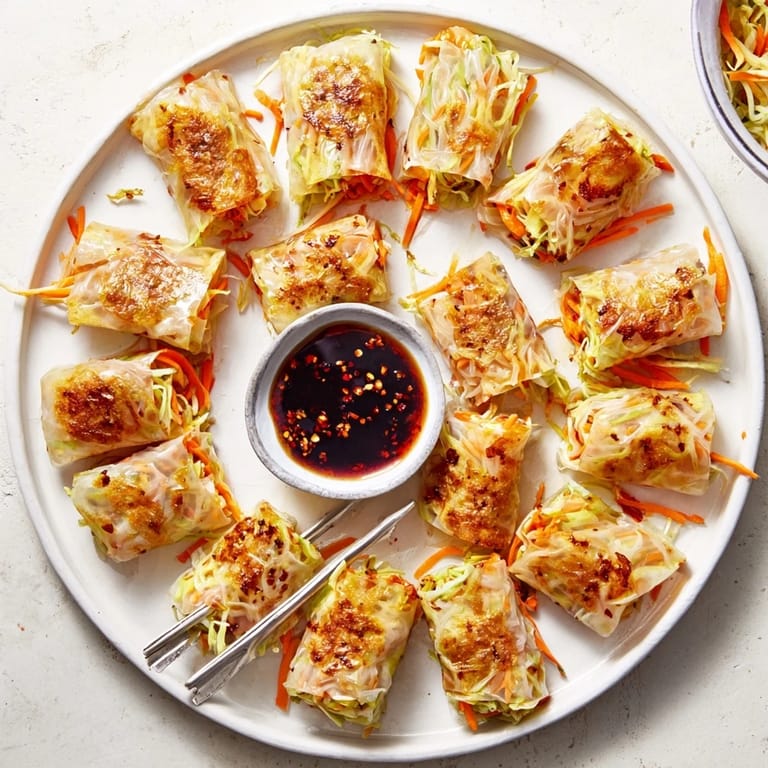 Pin This
 These became my go-to contribution for every potluck and dinner party after that first successful batch. There is something universally satisfying about that first crunch followed by the steamy, flavorful interior, and I have watched even the most skeptical eaters reach for seconds and thirds.
Working With Rice Paper
Rice paper can feel intimidating if you have never worked with it before, but it is surprisingly forgiving once you understand its behavior. The key is paying attention to how it feels in your hands, it should be pliable and slightly tacky but never falling apart or so stiff that it cracks when you fold it. I keep a small bowl of water beside my work station to dip my fingers in if they start getting sticky, which helps prevent the wrapper from tearing during the folding process.
Getting That Perfect Crunch
Medium heat is your friend here, because high heat will burn the wrapper before the filling heats through, and low heat will make the dumplings greasy as they slowly absorb the oil. I learned this the hard way after several batches that were either burnt on the outside and raw inside or soggy and heavy. You want the oil to shimmer and sizzle gently when you add the dumplings, not violently spit and pop, which tells you the temperature is just right for that golden, crispy exterior that makes these so addictive.
Make-Ahead Strategy
You can assemble all the dumplings up to four hours ahead of frying them, but layer them between pieces of parchment paper and cover tightly with plastic wrap so they do not dry out or stick together. When you are ready to serve, fry them just before eating because that crunch is at its peak immediately after cooking. The sauce can be made a day ahead and stored in the refrigerator, which actually helps the flavors meld together beautifully.
- Place uncooked dumplings in the refrigerator if you need to wait more than an hour before frying, but bring them to room temperature for about 15 minutes before cooking
- If you have leftovers, reheat them in a hot oven rather than the microwave to restore some of the crispiness, though they will never be quite as good as fresh
- These freeze beautifully uncooked, so double the recipe and freeze half on a baking sheet before transferring to a bag for future crispy dumpling cravings
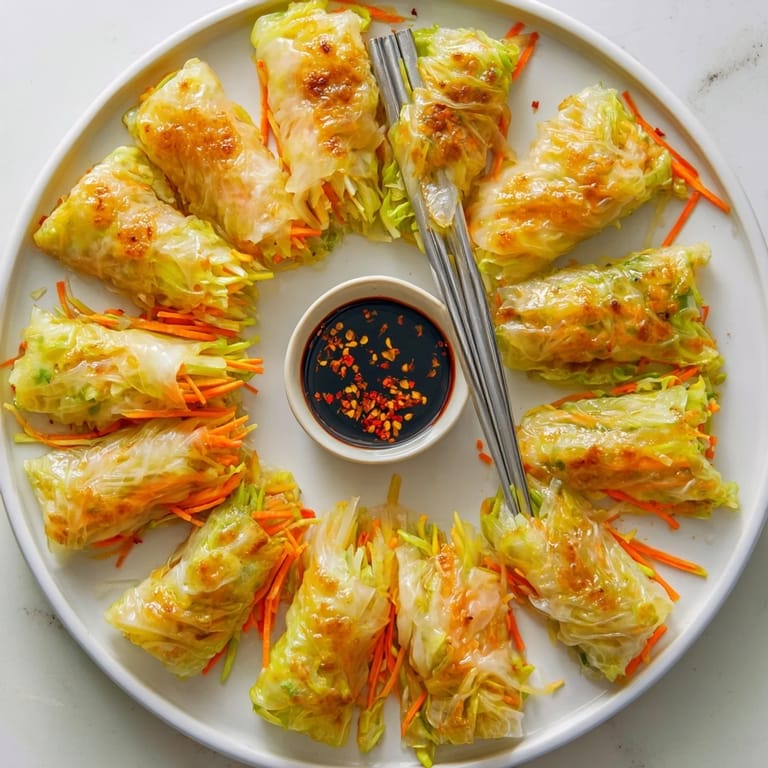 Pin This
 I hope these bring as much joy to your table as they have to mine. There is something deeply satisfying about transforming simple ingredients into something so crispy and delicious.
Recipe Q&A
- → Can I make these dumplings ahead of time?
You can assemble the dumplings up to 2 hours in advance and keep them covered with a damp towel in the refrigerator. However, pan-fry them just before serving to maintain maximum crispiness.
- → What's the best way to prevent rice paper from tearing?
Dip the rice paper in warm water for only 6-8 seconds until just softened. Work on a damp kitchen towel and don't overfill. The paper will continue softening as you work with it.
- → Can I use different fillings?
Absolutely! Try adding chopped mushrooms, bell peppers, water chestnuts, or bamboo shoots. Shrimp also works wonderfully. Just ensure ingredients are finely chopped and well-drained to prevent soggy wrappers.
- → How do I achieve the crispiest texture?
Use medium heat and don't overcrowd the pan. Cook dumplings seam-side down first for 2-3 minutes without moving them. Ensure enough oil coats the pan for even browning on both sides.
- → Are these suitable for meal prep?
While best eaten fresh, you can store cooked dumplings in an airtight container for up to 2 days. Reheat in a hot skillet with a little oil to restore some crispiness rather than microwaving.
- → What can I serve alongside these dumplings?
Pair them with fresh herbs like cilantro and mint, a light cucumber salad, pickled vegetables, or steamed edamame. They also work well as part of a larger Asian-inspired spread.