 Pin This
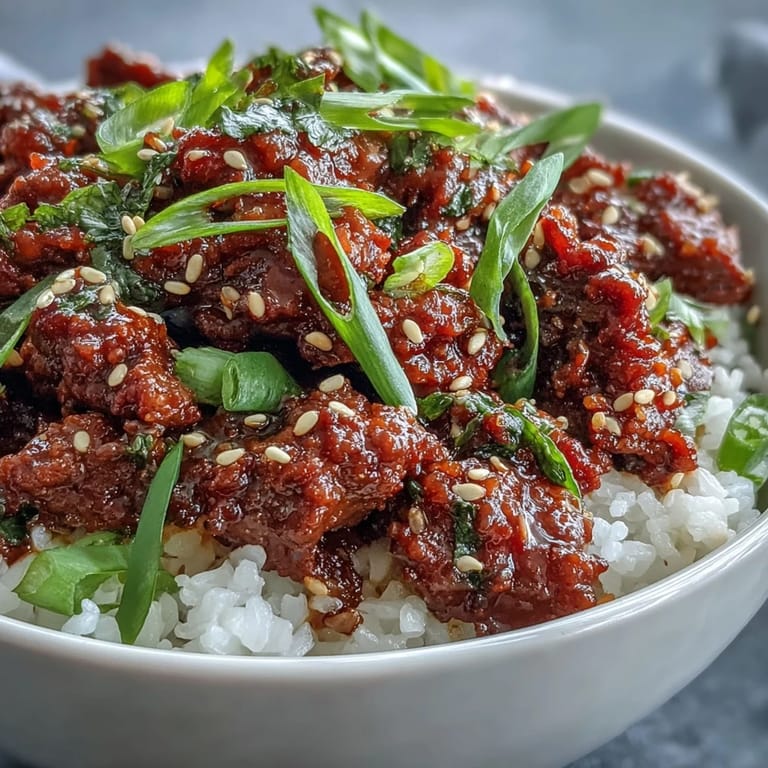
 My coworker brought leftovers to the office one Tuesday, and the smell hit me before I even saw the container—gochujang, sesame, something umami and alive. She'd made this Korean beef bowl the night before, and watching her reheat it in the break room microwave, I realized how a weeknight dinner could smell like restaurant-quality food. That's when I started making my own version, learning that the best quick meals are the ones that taste like you spent hours cooking when really you've got maybe twenty minutes free.
I made this for my roommate on a particularly stressful Friday when she'd had a rough day, and something about the bright colors—those shredded carrots and cucumber slices—and the warm, spiced beef seemed to shift her whole mood. She ate it straight from the bowl, standing at the counter, and asked for the recipe before she'd even finished. That's when I knew this wasn't just an easy dinner; it was the kind of food that quietly takes care of people.
Ingredients
- Lean ground beef: One pound browns quickly and soaks up the sauce beautifully; don't use extra-lean or it'll taste dry, but you don't need fatty cuts either.
- Gochujang: This fermented Korean chili paste is the backbone—it's spicy but also sweet and funky in the best way, and one tablespoon really does flavor an entire pound of meat.
- Low-sodium soy sauce or tamari: The salty-umami element that makes everything taste intentional; tamari works perfectly if you're avoiding gluten.
- Brown sugar: It balances the heat and saltiness, creating that addictive sweet-spicy tension that makes you keep eating.
- Sesame oil: Just one tablespoon adds so much warmth and nuttiness; don't skip it or use vegetable oil as a substitute.
- Garlic and ginger: Minced fresh versions wake up your palate and prevent the dish from tasting one-dimensional.
- Rice vinegar: A touch of brightness that cuts through the richness and makes the whole thing feel fresher.
- Rice or cauliflower rice: Your blank canvas; cooked white rice is traditional and absorbs sauce beautifully, but cauliflower rice works if you're watching carbs.
- Fresh toppings: Cucumber, carrot, green onions, and sesame seeds aren't just garnish—they add crunch, freshness, and color that transforms the bowl from simple to craveable.
Tired of Takeout? 🥡
Get 10 meals you can make faster than delivery arrives. Seriously.
One email. No spam. Unsubscribe anytime.
Instructions
- Heat your skillet and brown the beef:
- Warm the sesame oil over medium-high heat until it smells nutty and fragrant, then add your ground beef. Break it apart with a wooden spoon as it cooks, listening for that gentle sizzle to become more consistent, which means it's getting there. You want it fully cooked through and starting to brown, about 4 to 5 minutes total.
- Wake up the aromatics:
- Once the beef is browned, add your minced garlic and grated ginger, letting them sauté for just about a minute until your kitchen smells incredible and the raw edge disappears. This quick step transforms everything that comes next.
- Build the sauce:
- Stir in the gochujang, soy sauce, brown sugar, rice vinegar, and black pepper all at once, mixing well so the paste breaks down and coats every piece of beef. Lower the heat and let it simmer for 2 to 3 minutes, watching the sauce tighten slightly and become glossy.
- Taste and adjust:
- This is important: taste it before you finish, and if you want more heat, add a little more gochujang; if it feels too spicy, a splash of water or a pinch more sugar helps. Trust your palate here.
- Assemble your bowls:
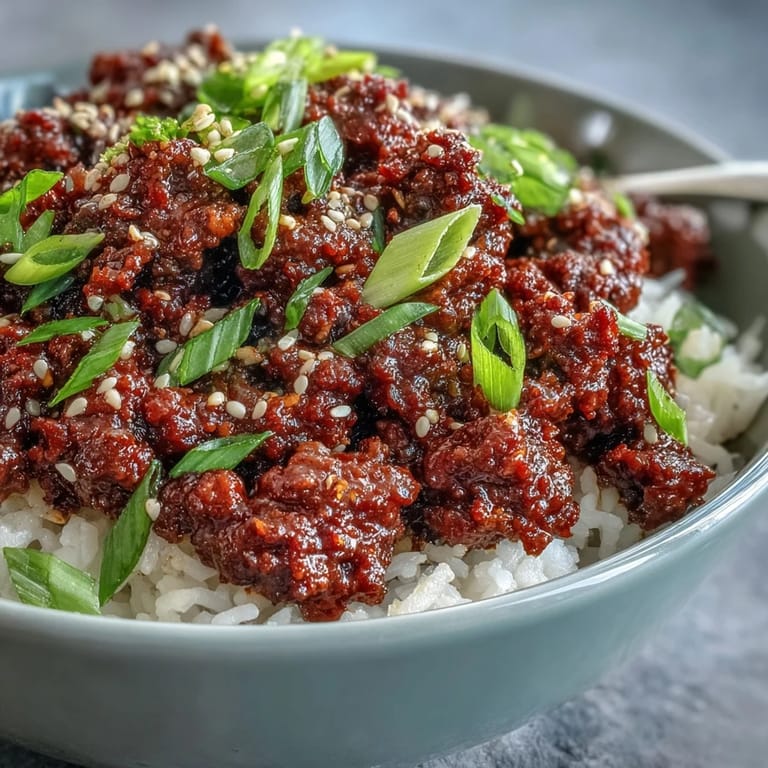
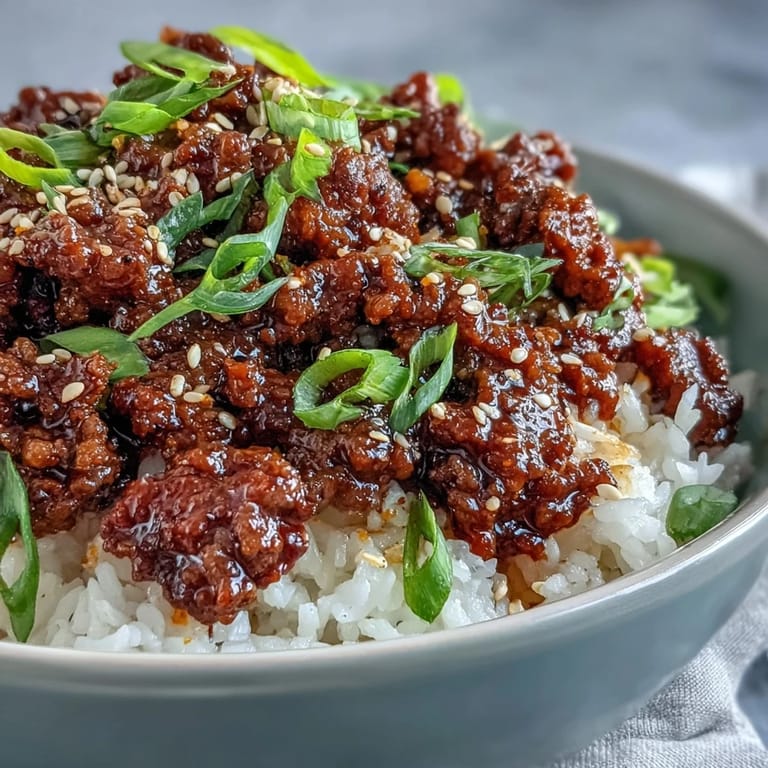
- Divide your cooked rice among bowls, then spoon the warm beef and all its sauce generously over the top. The rice will soak up everything, which is the whole point.
- Finish with fresh toppings:
- Layer on your cucumber slices, shredded carrot, sliced green onions, and a scatter of sesame seeds, adding chili slices or kimchi if you like extra funk and heat. Serve right away while everything is warm and the vegetables still have their snap.
 Pin This
 There's a moment every time I make this when I'm standing there with a spoon in one hand, tasting the sauce, and I realize how satisfying it is to have something this good ready to eat in under thirty minutes. That moment of tasting and knowing it's right, that's when this dish stops being just efficient and becomes something I actually look forward to.
Why This Sauce Works
The magic here is that gochujang already has complexity built into it—fermented funk, natural sweetness, and heat all together—so you're not layering five complicated techniques on top of ground beef. The soy sauce adds umami depth, the brown sugar balances everything, and the rice vinegar keeps it from being heavy. What you end up with is a sauce that tastes like it simmered for hours when really it barely had time to thicken.
Making It Your Own
The beauty of this bowl is how flexible it is without losing its character. I've made it with ground turkey when beef was too expensive that week, used whatever vegetables I had on hand instead of following the garnish list exactly, and even stirred in a spoonful of sriracha when I wanted extra heat. The core—the beef, the gochujang sauce, the rice—stays the same, but you get to improvise around it.
Timing and Serving
One of my favorite things about this recipe is that you can prep your toppings while the beef cooks, so everything comes together at once and you're not standing around waiting. The whole meal is hotter, fresher, and more satisfying when the rice is warm, the beef is warm, and those vegetables haven't had time to wilt.
- Slice your vegetables while the beef is browning so they're ready the second the sauce is done.
- If you're making this for multiple people, keeping the components separate and letting everyone build their own bowl means everyone gets the ratio they like.
- Leftovers reheat beautifully, though the cucumber and carrot will soften; add fresh garnishes after heating if you're planning ahead.
 Pin This
 This is the kind of dinner that doesn't feel like a shortcut, even though it absolutely is one. It's the meal you make when you want to feel like you've taken care of yourself without the fuss.
Recipe Q&A
- → What is gochujang and where can I find it?
Gochujang is a Korean fermented chili paste with a sweet and savory flavor profile. Look for it in the international aisle of most grocery stores, at Asian markets, or online. It adds authentic Korean flavor and a moderate level of heat to this dish.
- → Can I make this dish spicy or milder?
Absolutely. Adjust the heat level by varying the amount of gochujang or adding sriracha for extra kick. For a milder version, reduce the gochujang to one tablespoon. You can also remove the optional fresh chili garnish to keep it family-friendly.
- → What protein alternatives work well?
Ground turkey or chicken make excellent lighter substitutions. Cook them the same way as the beef, though you may want to add a splash more oil since they're leaner. The cooking time remains the same, and the sauce pairs beautifully with poultry.
- → How do I store and reheat leftovers?
Store the beef mixture and rice separately in airtight containers in the refrigerator for up to 4 days. Reheat the beef in a skillet over medium heat with a splash of water, adding fresh toppings after reheating. The beef mixture also freezes well for up to 3 months.
- → Is this naturally gluten-free?
With traditional soy sauce and some gochujang brands containing wheat, this isn't automatically gluten-free. Make it gluten-free by using tamari instead of soy sauce and choosing a certified gluten-free gochujang. The cauliflower rice version keeps it low-carb as well.