 Pin This
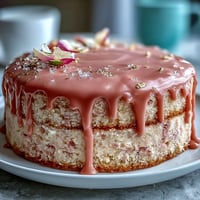
 My sister called me three weeks before her graduation with a specific request: she wanted a cake that looked like it belonged in a gallery, not just a bakery case. She'd spent four years in art history, so naturally, she wanted something that honored that journey. That phone call launched me into the world of edible flowers and gold leaf, two ingredients I'd honestly been intimidated by until I realized they were just waiting to transform a simple vanilla cake into something unforgettable. The moment I pulled that first finished cake out of the fridge and caught the light hitting the gold, I understood why she'd asked.
I'll never forget my mom's face when she walked into the kitchen and saw three perfect golden cake layers cooling on the racks while I was whisking egg whites over the double boiler. She thought I'd lost my mind attempting something so fancy, but by the time the gold leaf caught the afternoon light streaming through the window, even she was convinced it was worth the effort. My dad, who typically avoids anything "too fancy," had three slices and asked if I could make it for every family gathering going forward.
Ingredients
- All-purpose flour (2 1/2 cups): The foundation of your cake layers; room temperature ingredients mix more evenly, so don't skip bringing everything out of the fridge ahead of time.
- Baking powder (2 1/2 tsp): This is what gives the cake its tender crumb and slight lift; old baking powder won't do the job, so check your container's date.
- Salt (1/2 tsp): A pinch might seem small, but it balances the sweetness and makes the vanilla flavor pop without tasting salty.
- Unsalted butter (2 1/2 cups total): Room temperature butter creams better and incorporates air more efficiently than cold butter straight from the fridge.
- Granulated sugar (2 5/8 cups total): The sugar in the cake creates structure and tenderness; the sugar in the buttercream is heated to a safe temperature before being whipped.
- Large eggs (9 total): Room temperature eggs emulsify better with butter and sugar, creating a smooth, stable batter and buttercream.
- Vanilla extract (3 tsp total): The soul of this cake; good vanilla makes a noticeable difference, so invest in pure extract rather than imitation.
- Whole milk (1 cup): The acid in milk reacts with the baking soda to help the cake rise; don't substitute with a milk alternative without adjusting other ingredients.
- Edible flowers: Look for pansies, violets, and pesticide-free roses at specialty grocers or online; check packaging to confirm they're specifically labeled as edible.
- Edible gold leaf: Ultra-thin sheets that adhere to buttercream with barely a touch; make sure it's labeled food-safe, as some decorative gold leaf is not.
- Food-safe paintbrush: A soft brush helps you apply gold leaf without tearing it or getting fingerprints on the cake.
Tired of Takeout? 🥡
Get 10 meals you can make faster than delivery arrives. Seriously.
One email. No spam. Unsubscribe anytime.
Instructions
- Set your oven and pans:
- Preheat to 350°F while you grease and line three 8-inch pans with parchment paper; this prevents sticking and makes cleanup easier. Take a moment to make sure your oven rack is centered, as uneven heat can cause one layer to bake faster than the others.
- Combine dry ingredients:
- Whisk flour, baking powder, and salt together in a bowl, which distributes the leavening evenly throughout the batter. Set this aside so you're not fumbling with ingredients once you've started creaming the butter.
- Cream butter and sugar:
- Beat room temperature butter and sugar for about 3 minutes until the mixture is noticeably lighter in color and fluffy; this step incorporates air that helps the cake rise. You'll know you're done when it looks almost like frosting.
- Add eggs one at a time:
- Drop each egg in and beat well before adding the next; this prevents the batter from looking curdled and greasy. It takes an extra minute, but it makes a real difference in the cake's texture.
- Fold in vanilla and alternating ingredients:
- Add vanilla extract, then alternate flour and milk, starting and ending with flour; this prevents the batter from becoming tough from overmixing. Mix just until you don't see streaks of flour.
- Divide and bake:
- Pour batter evenly into the three pans and smooth the tops with an offset spatula so they bake at the same rate. Bake for 28-32 minutes until a toothpick comes out clean; don't rely on time alone, as ovens vary.
- Cool the layers:
- Let cakes rest in the pans for 10 minutes so they set slightly, then turn them out onto wire racks to cool completely; this prevents breakage. Rushing this step leads to crumbled cakes, so take your time.
- Make the Swiss meringue buttercream base:
- Whisk egg whites and sugar over simmering water until the sugar dissolves and the mixture reaches 160°F, which takes about 5 minutes and requires constant whisking. You want the mixture to feel warm and slightly grainy when you rub it between your fingers, not hot.
- Whip to stiff peaks:
- Transfer to a stand mixer and beat on high speed until the bowl is cool to the touch and stiff peaks form, about 8-10 minutes. This is where the magic happens; the mixture transforms from warm liquid to fluffy cloud.
- Add butter gradually:
- Reduce speed to medium and add butter a few cubes at a time, mixing until smooth and creamy; if it looks broken or grainy at first, keep going. If it looks too soft, refrigerate for 10 minutes and try again.
- Season and assemble:
- Add vanilla extract and salt, then beat until fully incorporated. Place the first cake layer on a serving plate, spread with buttercream, and repeat with the second layer.
- Apply crumb coat and final layer:
- Cover the entire cake with a thin layer of buttercream to trap crumbs, then refrigerate for 20 minutes. Apply your final smooth layer of buttercream with an offset spatula, using long, confident strokes.
- Apply gold leaf:
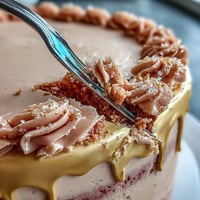
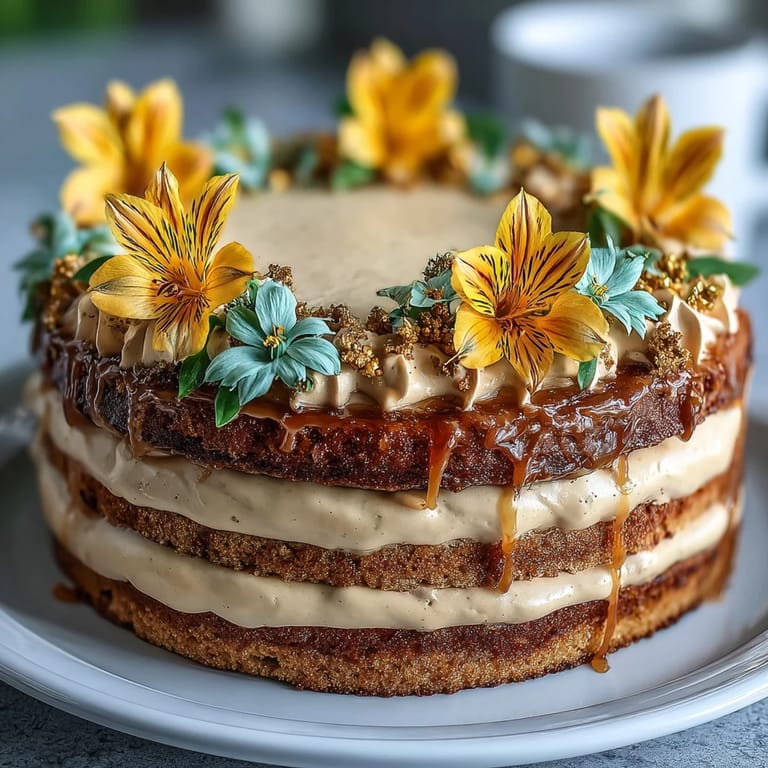
- Carefully press small pieces of edible gold leaf onto sections of the buttercream using a soft paintbrush; the gold adheres to the frosting without needing glue. Work gently, as gold leaf tears easily, and don't worry about perfection—the imperfections look intentional.
- Arrange flowers and finishing touches:
- Place edible flowers decoratively across the top and sides of the cake where the gold leaf doesn't cover. Add a gold ribbon around the base if you want an extra touch of elegance.
 Pin This
 My sister cried when she saw the cake at her graduation party, not because it was perfect, but because it represented someone taking the time to learn something new just to celebrate her. That's the real magic of baking a cake like this one—it's as much about the effort as it is about the flavors or the gold leaf gleaming under the party lights.
Making the Cake Ahead
One of the biggest secrets to staying calm on celebration day is baking the layers a day or even two days ahead. Wrapped tightly in plastic wrap, the cooled cake layers stay fresh in an airtight container, and some bakers swear the cake actually tastes better the next day because the flavors settle. The buttercream can be made up to three days ahead and stored in the fridge in an airtight container; bring it to room temperature and re-whip it for 30 seconds before using to restore its fluffy texture.
Working with Gold Leaf Without Fear
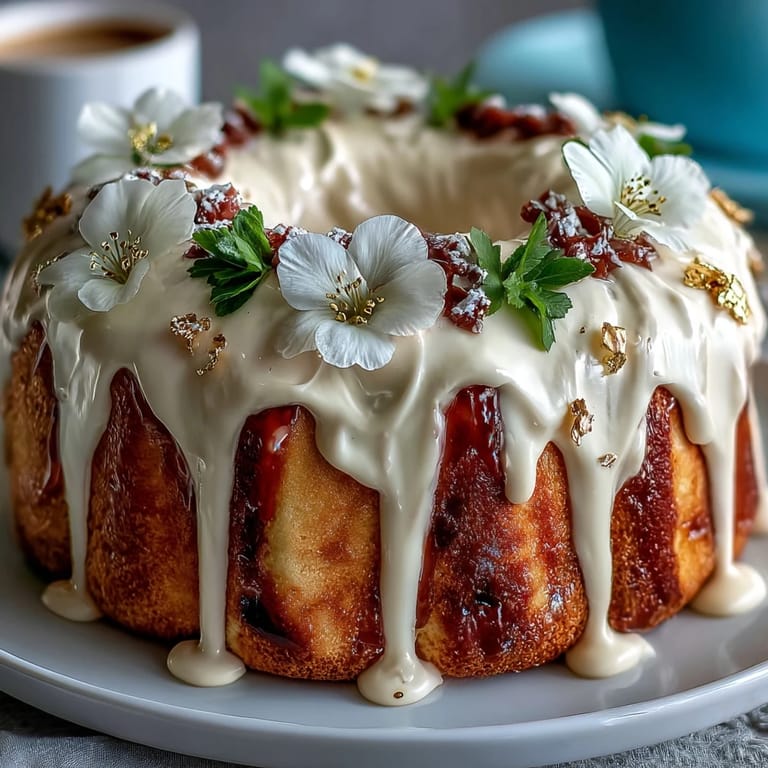
The first time I worked with gold leaf, I was convinced I'd ruin it, but edible gold is actually more forgiving than you'd think. It doesn't need glue or water—it clings directly to buttercream through static and the tiniest bit of moisture from the frosting itself. Apply it to finished buttercream that's been sitting in the fridge for 20 minutes so it's not too warm, use a soft brush to press it gently into place, and don't overthink the coverage; even a few scattered pieces look sophisticated.
Sourcing and Handling Edible Flowers
Finding truly edible flowers requires a bit of detective work, but it's worth it for the visual impact and the delicate flavors they add. Specialty grocery stores like Whole Foods often carry them in the produce section, or you can order them online from companies that specialize in edible botanicals. Store them in a shallow container lined with damp paper towels in the fridge, and arrange them on the cake no more than a few hours before serving so they don't wilt.
- Always confirm with the supplier that flowers are food-grade and grown without pesticides, fungicides, or chemical treatments.
- If you can't find edible flowers, candied flowers made with egg white and sugar create a similar effect and taste delicious.
- A gentle mist of edible glitter mixed with a tiny bit of gum arabic creates shine similar to gold leaf if you want to skip the actual gold.
 Pin This
 Every time I make this cake now, I'm transported back to that moment of watching light play across the gold leaf while people gathered around the dessert table. Baking this cake isn't just about creating something beautiful to eat; it's about taking the time to say, through butter and flour and delicate flowers, that someone's achievement matters enough to get fancy for.
Recipe Q&A
- → What makes this cake elegant?
The use of edible flowers and shimmering gold leaf adds a refined and luxurious touch, elevating simple vanilla layers into a celebratory centerpiece.
- → How is the buttercream prepared?
The buttercream is a silky Swiss meringue type made by gently heating egg whites and sugar, then whipping with butter until smooth and fluffy.
- → Can I substitute ingredients for flavor variations?
Yes, for example, replacing part of the flour with cocoa powder creates a chocolate variation that still complements the floral and gold accents.
- → Are there any allergen considerations?
This cake contains eggs, dairy, and wheat. Ensure all decorations like edible flowers and gold leaf are food-safe and allergen-free.
- → What tools are recommended for decorating?
A food-safe paintbrush is ideal for applying the delicate gold leaf, while spatulas and wire racks assist in frosting and cooling the layers evenly.