 Pin This
 The first time I served these in actual copper ramekins, I watched my friend lean in close, drawn by the smell of caramelized onions mingling with toasted pecans. She picked one up with a fork and asked why something so elegant seemed so effortless to make. I realized then that this dish has a quiet confidence to it—warm tones stacked carefully, nothing fussy, just honest flavors that somehow feel like a celebration. It became my go-to when I wanted to impress without the stress.
I made this on a quiet Tuesday evening when nothing felt right—work was chaotic, the day had dragged. Chopping onions slowly, watching them soften and darken over the heat, became oddly meditative. By the time I tasted the finished dish, shoulders had dropped, and something in the kitchen felt warm again. Cooking isn't always about feeding other people; sometimes it's about remembering how to feed yourself.
Ingredients
- Yellow onions (2 large, thinly sliced): These are your canvas—they sweeten and deepen over time, so don't rush them or they'll taste sharp instead of jammy.
- Unsalted butter and olive oil (2 tbsp butter, 1 tbsp oil): The combination keeps the onions from browning too fast and adds a subtle richness that butter alone can't quite achieve.
- Brown sugar (2 tbsp): This accelerates the caramelization and adds a molasses note that balsamic alone won't give you.
- Balsamic vinegar (2 tbsp): Brings acidity and depth—it's the ingredient that stops the jam from tasting one-dimensional.
- Pecan halves (3/4 cup): Toast them just enough to wake them up; over-toasted and they become bitter.
- Medjool dates (1 cup, pitted and quartered): Their chewiness and natural sweetness balance the savory onion base perfectly.
- Honey (2 tbsp): A gentle binder that coats each nut and date, making them stick together slightly.
- Ground cinnamon (1/2 tsp): A whisper of warmth that connects the sweet and savory worlds without announcing itself.
- Fresh thyme (for garnish): It adds a green, herbaceous note at the very end—a small detail that reads as intentional.
Tired of Takeout? 🥡
Get 10 meals you can make faster than delivery arrives. Seriously.
One email. No spam. Unsubscribe anytime.
Instructions
- Build the base with caramelized onions:
- Melt butter and olive oil together over medium heat, then add your sliced onions with a pinch of salt. Stir often—this is the part where patience matters. After about 15 to 20 minutes, they'll turn golden and soft. Add the brown sugar and balsamic vinegar, then keep cooking for another 8 to 10 minutes, stirring occasionally, until they're deeply caramelized and almost jammy. Finish with black pepper and let them cool slightly so they don't wilt everything else.
- Toast the nuts and dates:
- While the onions finish, preheat your oven to 350°F. Toss pecans and dates together with honey, cinnamon, cayenne if you want a tiny spice kick, and flaky salt. Spread them on a baking sheet and toast for 8 to 10 minutes until fragrant and warm—the pecans should smell nutty and a little toasted, not burnt.
- Assemble in your ramekins:
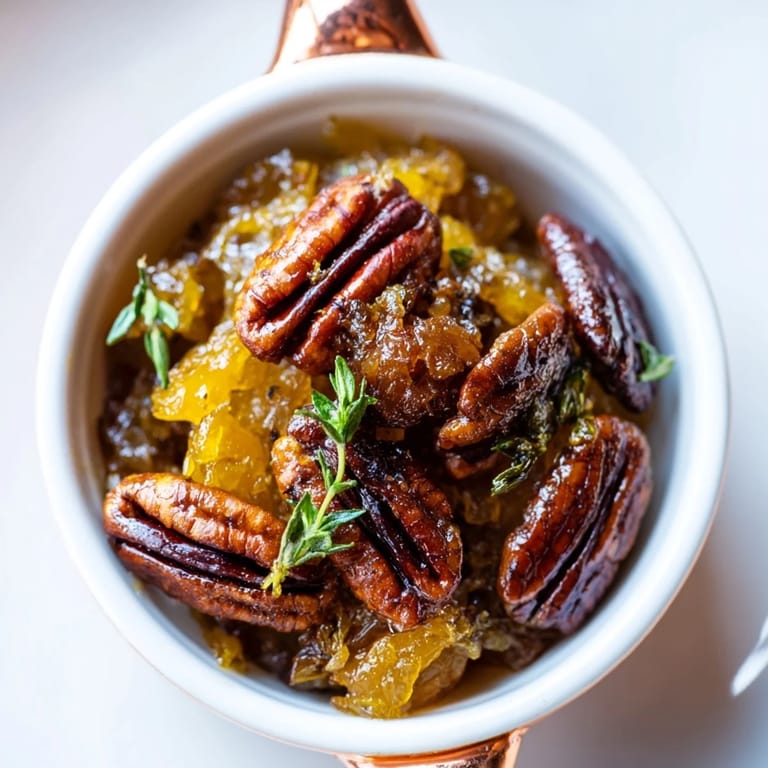
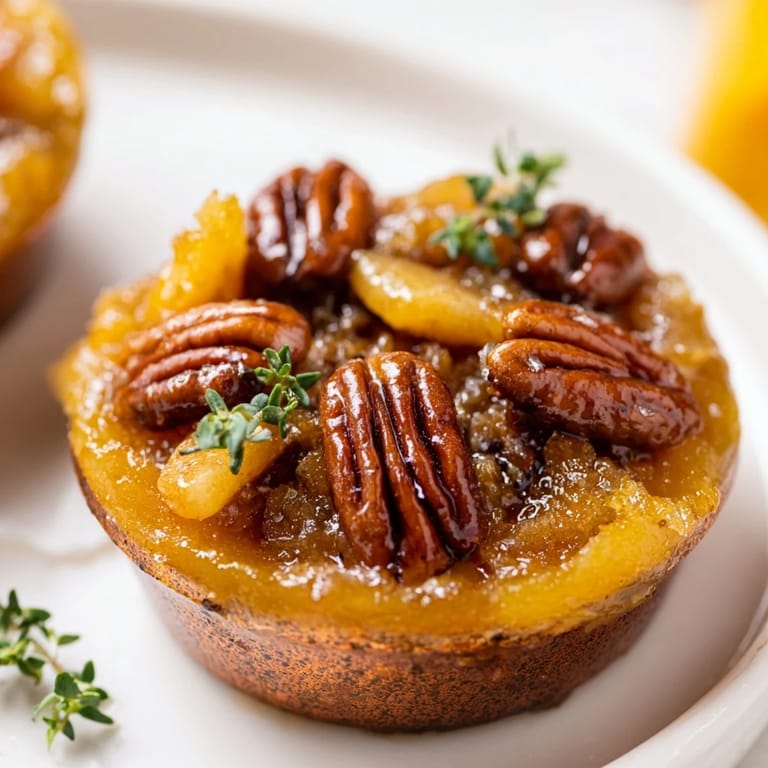
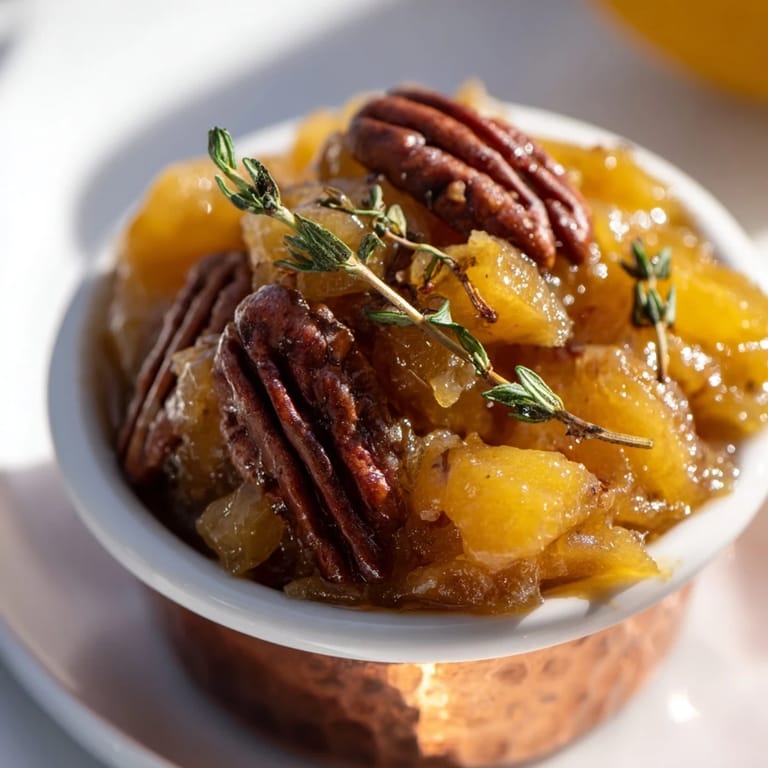
- Spoon a generous layer of caramelized onion jam into each copper ramekin or small oven-safe dish, then top with the warm pecan and date mixture. Garnish with fresh thyme leaves so it looks like you meant to make it look beautiful.
- Serve right away:
- Bring these to the table while they're still slightly warm, maybe with toasted baguette slices or crackers alongside. The contrast between warm and cool, soft and crispy, is part of what makes it work.
 Pin This
 My sister asked once why I always chose copper ramekins for this dish instead of just plating it normally. I told her it was partly for looks, but really it was because serving food in something small and beautiful, something you have to hold carefully, makes people slow down. They taste it instead of just eating it. That shift—from eating to tasting—is when a recipe becomes a memory.
Why Caramelization Changes Everything
The magic here isn't in any single ingredient; it's in the time you spend watching onions slowly transform. When you caramelize properly, you're not just cooking—you're unlocking sweetness that was always there, hidden under the sharp bite of raw onion. Brown sugar and balsamic accelerate the process, but they work because the onions themselves are already on their way. Rush this step by turning up the heat, and you'll get something burnt and bitter. Respect the time, and you get something complex and deep.
The Sweet and Savory Balance
This dish works because it refuses to pick a side. The dates and honey want to be dessert. The onions and thyme want to be dinner. Together, they create something that feels both comforting and unexpected, familiar and a little surprising. It's why people reach for a second one, then ask for the recipe.
Serving and Storage Wisdom
You can make the onion jam up to two days ahead and store it in the fridge, which removes most of the stress from dinner prep. The nut mixture stays best made fresh on the day you're serving, but it's only a ten-minute job. If you have leftovers—and this rarely happens—they're excellent cold the next day, though they taste best when the onion jam is gently warmed first. One last thought: the copper ramekins aren't required, but they do something psychological. People remember food served in something beautiful.
- Make the onion jam in advance to save yourself time on the day you're serving.
- Toast your pecans only when you're ready to assemble so they stay fragrant and warm.
- A dry Riesling or oaked Chardonnay pairs beautifully if you're serving this with wine.
 Pin This
 This is the kind of appetizer that makes people feel cared for without requiring hours in the kitchen. Serve it warm, watch them slow down, and let the flavors do the work.
Recipe Q&A
- → How is the caramelized onion jam prepared?
Onions are sautéed in butter and olive oil with salt until soft and golden, then cooked further with brown sugar and balsamic vinegar until deeply caramelized and richly flavored.
- → What nuts and fruits are used in the topping?
Pecan halves and Medjool dates are combined with honey, cinnamon, cayenne pepper, and flaky sea salt, then toasted to enhance aroma and texture.
- → Can this warm appetizer be made vegan?
Yes, by replacing butter with olive oil and substituting maple syrup for honey, it can be adapted to a vegan-friendly version without losing flavor.
- → What is the best way to serve this dish?
Serve immediately in copper ramekins, garnished with fresh thyme, accompanied by toasted baguette slices or crackers for added crunch.
- → Are there any allergen considerations?
This dish contains tree nuts and dairy, but plant-based butter and oil can be used to accommodate dairy-free diets; always check ingredient sources carefully.