 Pin This
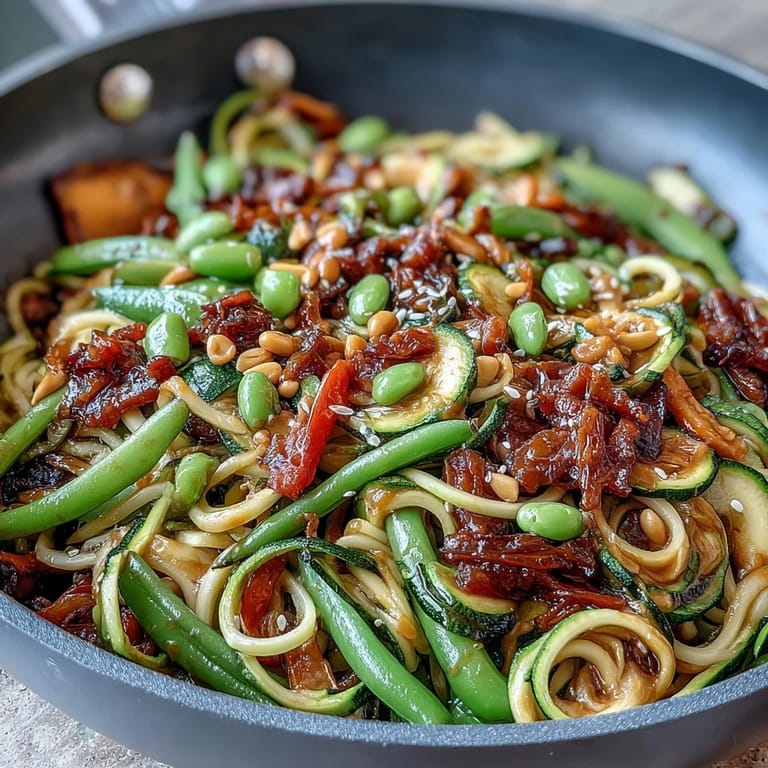
 There's something about the sound of a spiralizer that makes me feel like I'm actually doing something good for myself. I discovered zucchini noodles not through meal prep culture or wellness blogs, but because my neighbor handed me three enormous zucchinis from her garden and said, "Make something with these before they turn into baseball bats." That afternoon, I created this stir-fry almost by accident, and it became the dish I reach for when I want something that tastes indulgent but leaves me feeling energized rather than sluggish. The creamy peanut sauce transforms those delicate green noodles into something genuinely craveable.
I made this for my sister when she was visiting and complained that every healthy recipe she tried tasted like penance. Watching her twirl those zucchini noodles on her fork and genuinely enjoy them, not just tolerate them, was one of those small kitchen victories that stays with you. She's made it three times since and sent me photos from her kitchen. That's when you know a recipe has crossed over from just being food.
Ingredients
- Zucchini: Use medium ones, not the oversized monsters, because they have fewer seeds and won't release as much water when cooked.
- Red bell pepper: The sweetness balances the richness of the peanut sauce beautifully.
- Carrot: Julienne or spiralize it so it cooks evenly and adds a subtle sweetness.
- Snap peas: They stay wonderfully crisp even with brief cooking, giving you that textural contrast.
- Green onions: Save some for garnish because the fresh onion bite at the end makes everything sing.
- Fresh cilantro: Optional but genuinely transforms the whole dish if you love it.
- Natural peanut butter: Choose one with just peanuts and salt, nothing else, so the sauce tastes clean and pure.
- Low-sodium soy sauce or tamari: Tamari is the move if you're keeping this gluten-free.
- Rice vinegar: It's milder than regular vinegar and lets the peanut flavor lead.
- Lime juice: Fresh lime, not bottled, makes a difference you'll absolutely taste.
- Maple syrup or honey: A touch of sweetness rounds out the umami and creates balance.
- Toasted sesame oil: This is the secret ingredient that adds depth without being obvious.
- Garlic and ginger: Mince them finely so they distribute evenly through the sauce.
- Warm water: This is how you control the sauce consistency, so add it gradually.
- Red pepper flakes: A small amount goes far, so use restraint unless you love serious heat.
- Roasted peanuts: Roughly chop them for texture and garnish crunch.
Tired of Takeout? 🥡
Get 10 meals you can make faster than delivery arrives. Seriously.
One email. No spam. Unsubscribe anytime.
Instructions
- Get your mise en place ready:
- Spiralize the zucchinis and carrots, slice your bell pepper into thin strips, halve the snap peas, and mince your garlic and ginger. Having everything prepped before you heat the pan means you'll move through this quickly and nothing will overcook.
- Build the peanut sauce:
- In a bowl, whisk the peanut butter with soy sauce, rice vinegar, lime juice, maple syrup, and sesame oil until it starts coming together. Add your minced garlic and ginger, then slowly whisk in warm water until the sauce is pourable and smooth, like liquid silk.
- Heat your cooking vessel:
- Get a large skillet or wok hot over medium-high heat. A splash of sesame oil in the pan is optional but adds a subtle flavor boost that makes people ask what you did differently.
- Cook the harder vegetables first:
- Add your bell pepper, carrot, and snap peas to the hot pan and stir-fry for 2 to 3 minutes, keeping them moving so they stay crisp-tender. You want to hear them sizzle and smell them caramelize just a little.
- Add the zucchini noodles gently:
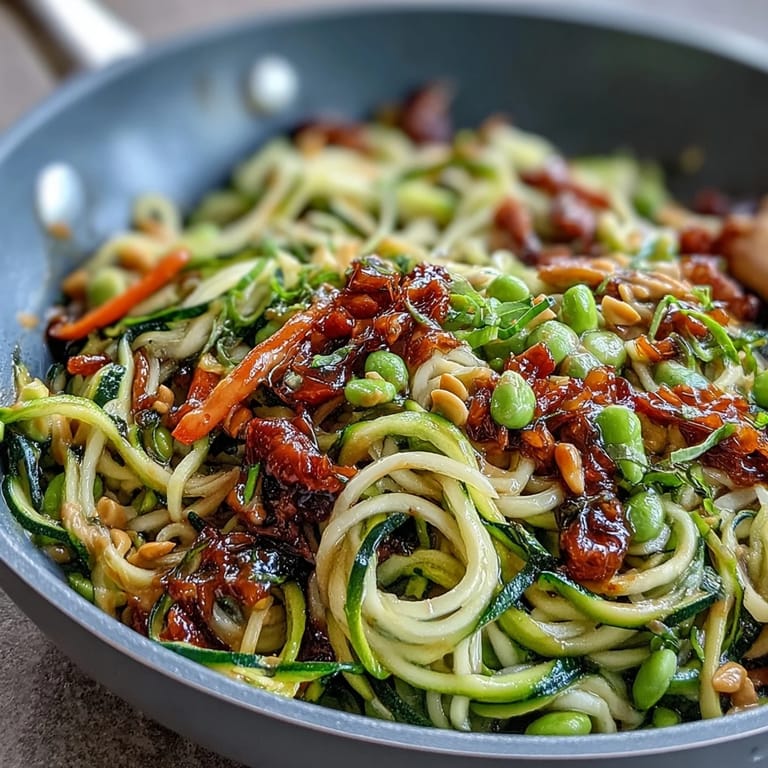
- Add your spiralized zucchini and toss everything together gently for 2 to 3 minutes until the noodles are just heated through. This is not the time to walk away, because overcooked zucchini noodles release water and turn mushy.
- Bring it all together:
- Pour your peanut sauce over the vegetables and toss everything until it's evenly coated. Let it warm through for another minute or two, then taste and adjust seasoning if needed.
- Serve right away:
- Transfer to bowls immediately and top with chopped peanuts, fresh cilantro, and extra green onions. The sooner you eat it, the better the texture, so don't let it sit around.
 Pin This
 My partner came home one evening to find me standing over the stove with a ridiculous grin on my face because I'd just realized this meal was so quick and so good that I could actually make it on ordinary weeknights without it feeling like a production. That simple moment of possibility changed how I think about weekday cooking.
Making the Sauce Your Own
The beauty of this peanut sauce is that it's forgiving and adaptable, so don't be afraid to adjust it to your taste. If you like it more tangy, add another splash of vinegar or lime. If it needs more depth, a tiny bit more sesame oil works wonders. I've made it with almond butter when someone had a peanut allergy, and honestly, it was equally delicious, just with a different character. The sauce is really about balancing sweet, salty, sour, and nutty, so trust your palate and make it reflect what you actually want to eat.
Protein and Make It a Meal
While this stir-fry is vegetarian as written, it absolutely begs for protein if you want something more substantial. Sliced grilled chicken breast, pan-seared tofu, or even shrimp added in the last minute all work beautifully without changing the fundamental character of the dish. I've also topped it with a soft egg yolk in the center, which creates this luxurious richness when you break it into the warm noodles. The sauce is rich enough to carry whatever protein you choose, so this becomes the template for how you want to eat it rather than a fixed formula.
Storage and Variations
The vegetables and sauce can be made separately ahead of time, which takes some pressure off on busy days. The sauce keeps for about three days in the refrigerator and actually deepens in flavor as it sits. Store it in an airtight container and thin it again with water when you're ready to use it. You can also completely swap vegetables based on what's in season or what you have on hand, so this becomes less of a recipe to follow exactly and more of a technique you can apply to whatever looks good at the market. Mushrooms, broccoli, bok choy, and even thinly sliced cabbage all work wonderfully in this same sauce.
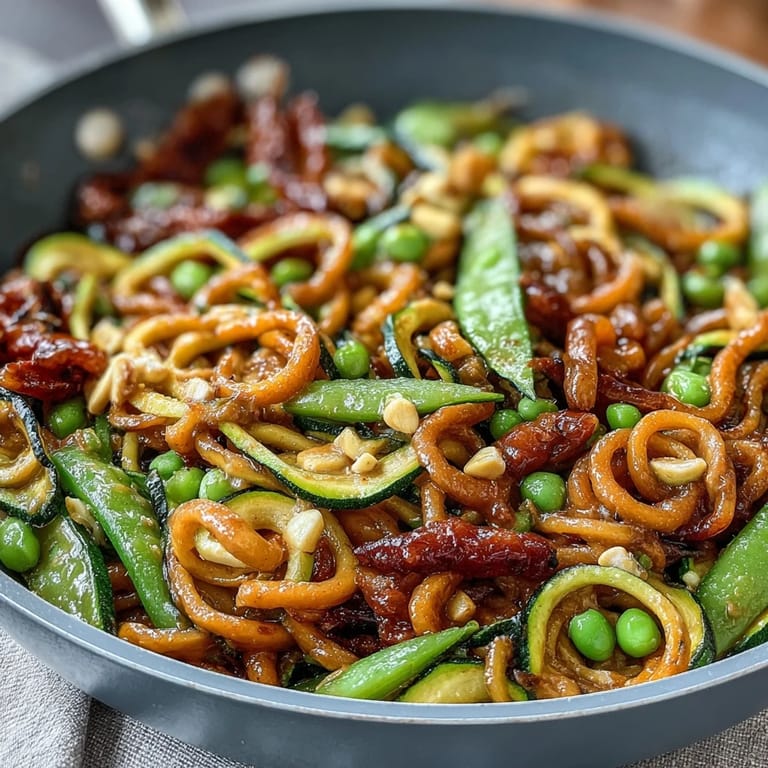
- Spiralize or julienne everything to roughly the same thickness so it all cooks evenly.
- Don't overcrowd the pan, as that drops the temperature and causes steaming instead of stir-frying.
- Taste the sauce before adding it to the vegetables so you can adjust seasoning if needed.
 Pin This
 This is the recipe I return to when I want to prove to myself that eating well doesn't have to be complicated or time-consuming. It's become the dish I'm known for, the one people ask me to make, and honestly, that's the highest compliment a recipe can get.
Recipe Q&A
- → What is the best way to spiralize zucchinis for this dish?
Use a spiralizer or julienne peeler to create consistent, thin noodle-like strands that cook evenly without becoming mushy.
- → Can I substitute the peanut sauce for a nut-free alternative?
Yes, sunflower seed butter or tahini can replace peanut butter for a nut-free version while maintaining creamy texture and flavor.
- → How do I prevent zucchini noodles from getting soggy?
Cook the zucchini noodles briefly and toss gently to warm through. Avoid overcooking and serve immediately for best texture.
- → What proteins complement this vegetable stir-fry?
Grilled tofu, shrimp, or chicken pair well, adding protein without overpowering the fresh, vibrant flavors.
- → Is this dish suitable for gluten-free diets?
Use tamari instead of soy sauce to keep the dish gluten-free while preserving its savory depth.
- → How can I adjust the heat level in the sauce?
Add or omit crushed red pepper flakes according to your spice preference for a mild or spicy kick.