 Pin This
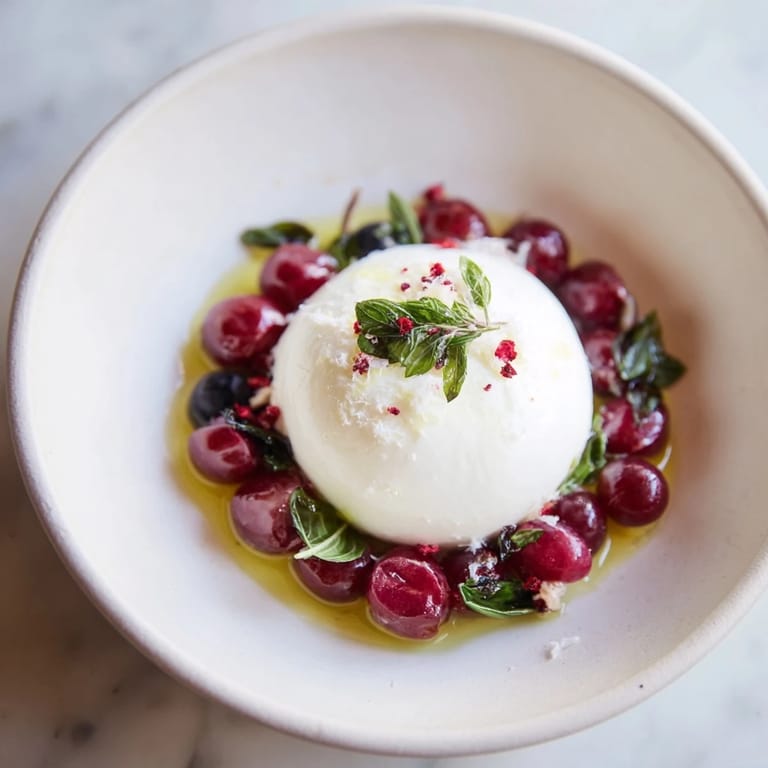
 There's something about the first warm evening of summer when you realize you don't want to spend an hour in the kitchen. I was standing in my produce section, holding a ball of burrata that caught the light just right, when it hit me—what if the cheese itself became the focal point? The idea of arranging blueberries and grapes around it like a midnight landscape felt playful, almost childish in the best way. That single moment of creative impulse turned into the dish I now make whenever I want people to slow down and actually taste what's on their plate.
I made this for a dinner party where everyone was exhausted from talking about their jobs, and watching them go quiet when the platter arrived told me everything. One guest actually said "I didn't know salad could feel like this" and I've never forgotten it. That's when I understood this dish isn't really about the ingredients—it's about giving yourself and others permission to experience food as something beautiful and unhurried.
Ingredients
- Fresh blueberries (1 cup): Choose ones that feel heavy and smell sweet—they should stain your fingers just a little when you squeeze gently, which means they're ripe and full of flavor.
- Seedless purple grapes (1 cup, halved): Halving them lets the juice escape slightly, which mingles with the dressing and keeps everything moist instead of slippery.
- Burrata cheese (1 large ball, about 200 g): This is your star—buy it from a place with good turnover, and if it smells funky or feels hard, walk away and find better cheese.
- Fresh basil leaves (1/3 cup, torn): Never chop basil with a knife if you can help it; tearing with your hands keeps it from bruising and turning black.
- Baby arugula or mixed greens (1 cup, optional): The optional element that grounds the composition if you want something to bite into, otherwise the fruit and cheese shine alone.
- Extra-virgin olive oil (2 tbsp): This carries the flavor, so taste it straight from the bottle first—if it tastes flat or greasy, it's not worth using on something this simple.
- Balsamic glaze (1 tbsp): The thick syrupy version, not liquid vinegar; it's almost like caramel and adds a sweet-tart finish that ties everything together.
- Sea salt and freshly ground black pepper: These aren't afterthoughts—they wake up every other flavor, so use them generously and taste as you go.
- Lemon zest (from 1 lemon, optional): A whisper of brightness that cuts through the richness and makes you taste the fruit more vividly.
Tired of Takeout? 🥡
Get 10 meals you can make faster than delivery arrives. Seriously.
One email. No spam. Unsubscribe anytime.
Instructions
- Lay your canvas:
- If you're using greens, spread them on a wide, shallow bowl or platter—think of it like preparing a stage. The white space and curves of the bowl matter as much as what goes in it.
- Build the ring:
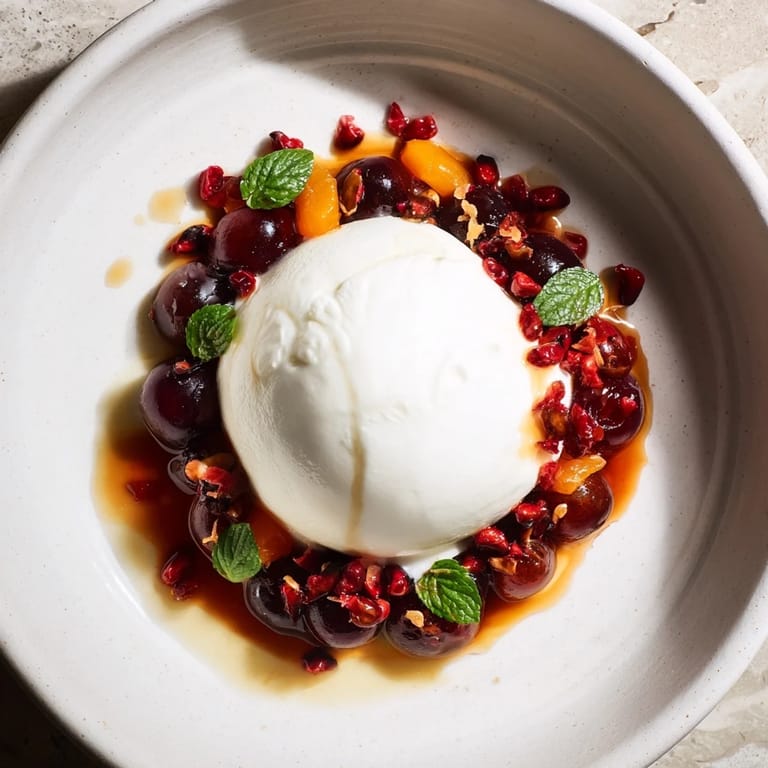
- Scatter your blueberries and grape halves in a generous circle around the edge, leaving the center completely bare. Step back and look at it; if it feels too sparse, add more fruit—there's no such thing as too much here.
- Crown the center:
- Place the burrata ball right in the middle like a small moon. The contrast between the creamy white and the jewel tones around it is the whole visual story.
- Dress with oil:
- Drizzle the olive oil evenly over everything, letting some pool slightly around the burrata. You'll hear it whisper across the plate if you're quiet enough.
- Glaze the fruit:
- Spoon the balsamic glaze in thin, intentional streams—this isn't the time to be shy. Let it pool in some spots and streak across others; imperfection looks intentional.
- Finish with flourish:
- Scatter the torn basil leaves across the top, add a pinch of lemon zest if you're using it, and season with sea salt and pepper. Taste a grape first if you can to judge how much salt it needs.
- Serve immediately:
- This is a dish that waits for no one—the texture and temperature matter, so bring it to the table right away. If you have crusty bread, serve it alongside; if not, the salad speaks for itself.
 Pin This
 My grandmother tasted this once and said it reminded her of walking through an Italian market in September, even though neither of us had ever been. Food has this strange power to hold memories that aren't even ours, to transport people to moments they've only imagined.
When to Make This
This is the dish for those evenings when the heat breaks just a little and you feel like eating outside matters more than eating a lot. It's perfect for impressing people without fussing, or for quiet moments when you're eating alone and want to treat yourself like company. Summer gatherings, light lunches, or that moment when someone stops by unexpectedly and you want them to feel honored.
The Magic of Contrast
What makes this salad work isn't any single ingredient—it's the conversation between creamy and bright, sweet and sharp, soft and juicy. The burrata is cool and gentle, almost indulgent, while the berries are tart and alive. Together they create a tension that makes your mouth wake up. This principle of contrast is what separates a plate of food from something memorable.
Variations That Honor the Original
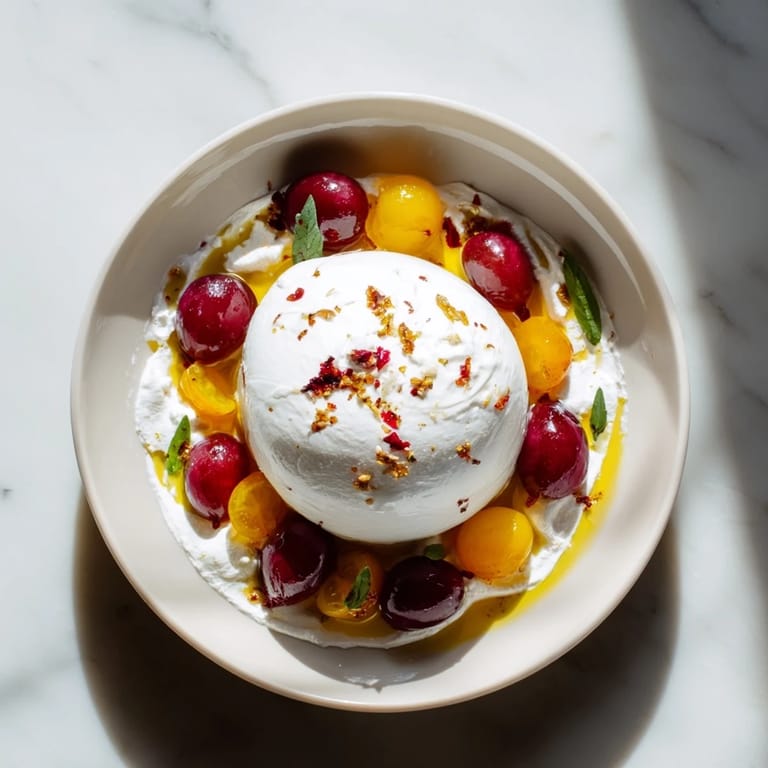
Once you understand the structure, you can play with it while keeping its spirit intact. I've swapped in blackberries when blueberries looked tired, or used red grapes if that's what the market had. Some nights I add toasted pistachios for crunch, other nights I let the creaminess dominate. The foundation stays the same—beautiful contrast, simple preparations, ingredients that speak for themselves.
- If you have fresh figs in season, halve them and scatter them with the berries for a more luxurious version.
- A pinch of sumac or za'atar instead of plain pepper adds an earthy complexity that feels sophisticated.
- Try ricotta salata shaved thin instead of burrata if you want something firmer, though you'll lose that glorious creamy center.
 Pin This
 This salad taught me that sometimes the most elegant meals are the ones that ask the least of you. There's freedom in simplicity, and beauty in letting good ingredients be themselves.