 Pin This
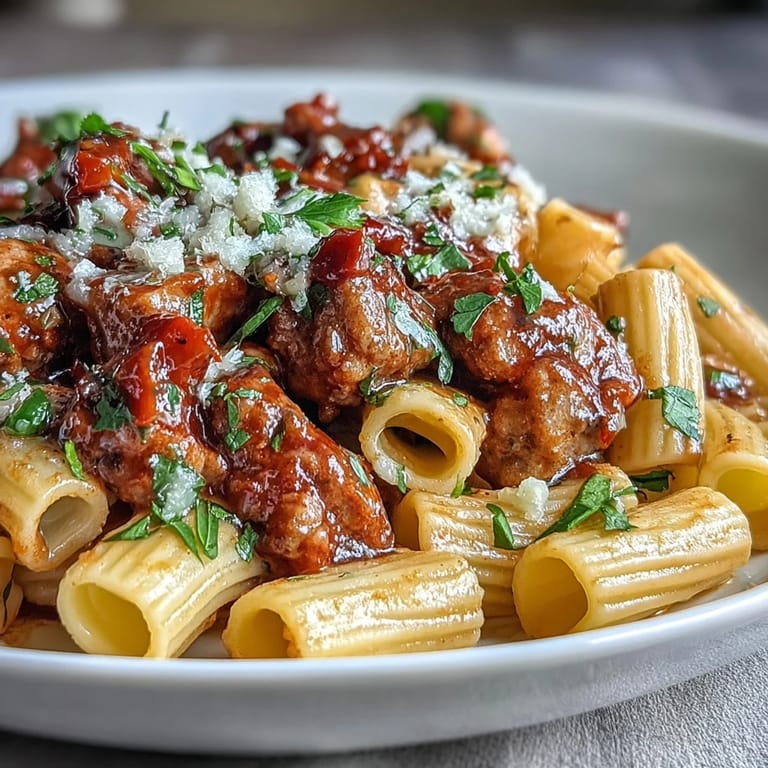
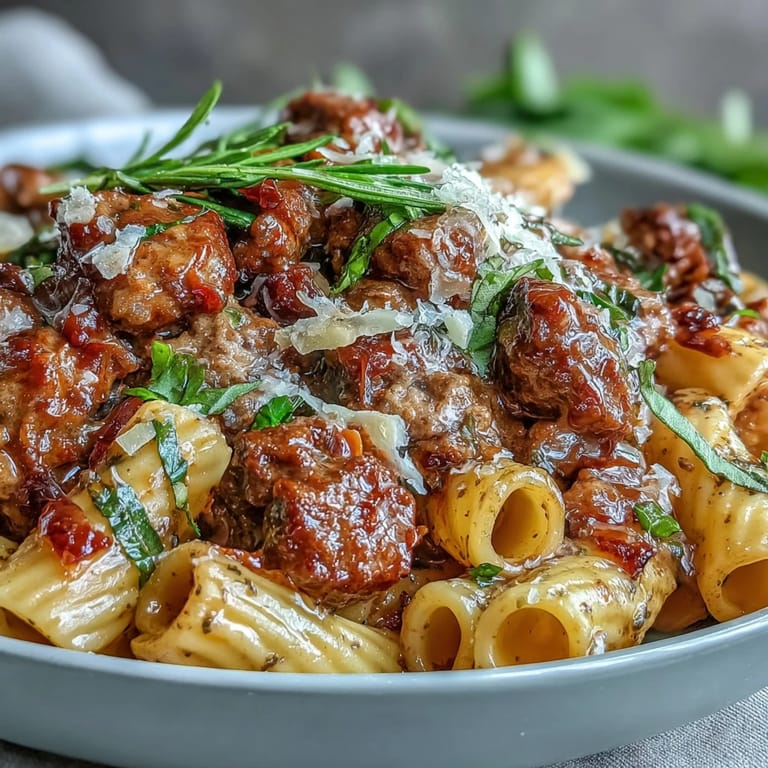
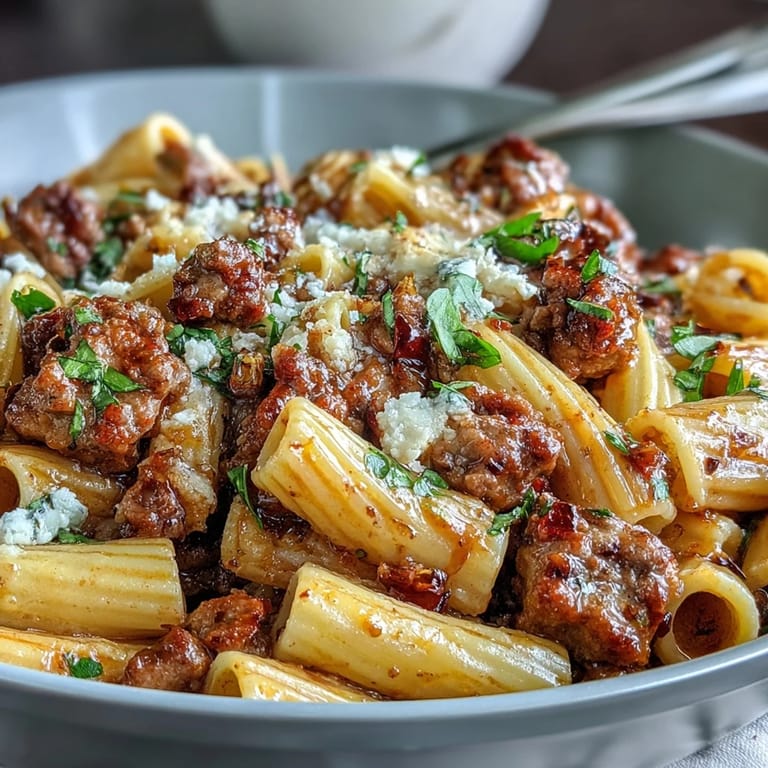
 There's something about a weeknight when everything feels rushed, and you open the fridge to find sausage, wine, and cream staring back at you—and somehow you know exactly what needs to happen. That's when this one-pot pasta came to life in my kitchen, born from a desire to skip the pile of dishes and still eat something that tastes like you've been cooking all day. The red wine hits first, then the sausage browns beautifully, and before you know it, this rich, creamy sauce is coating every inch of pasta while the pot does most of the work for you. It's become my go-to move when I want comfort food without the aftermath.
I made this for my partner on a cold October evening when we both came home exhausted, and watching their face light up when they tasted it—that moment when someone realizes comfort food doesn't require hours of effort—made the whole thing feel like a small kitchen victory. The kitchen filled with this warm, wine-soaked aroma, and suddenly the apartment felt less like we'd just rushed through the door and more like a place where good things happen.
Ingredients
- Italian sausage (300 g): The foundation of everything; spicy or mild depends on your mood, but either way, browning it properly releases oils that become liquid gold in your sauce.
- Yellow onion (1 medium): Chop it fine so it melts into the sauce rather than announcing itself as chunks.
- Garlic (3 cloves, minced): Don't skip this step or rush it; letting it cook just long enough to smell incredible but not burn is the difference between meh and wow.
- Red bell pepper (1, diced): Adds sweetness and color; the diced pieces soften into the sauce and provide little pockets of flavor.
- Crushed tomatoes (400 g canned): Your acidic backbone that keeps the cream from feeling too heavy.
- Penne or rigatoni (300 g): Shapes that trap sauce are essential here; the pasta finishes cooking directly in the liquid, absorbing flavor as it goes.
- Dry red wine (120 ml): This isn't optional theater—the wine reduces and mellows, creating depth that just water and broth can't achieve.
- Chicken broth (750 ml): Low-sodium lets you control the salt and gives the pasta room to absorb flavor without becoming oversalty.
- Soy sauce (2 tbsp): A umami bomb that sounds weird but tastes incredible; it rounds out the flavors without making anything taste Asian.
- Heavy cream (120 ml): Added at the end to turn everything silky; timing matters because you want to heat it gently rather than boil it.
- Oregano and basil (dried): The aromatic backbone; dried herbs work perfectly here since they have time to bloom in the simmering sauce.
- Crushed red pepper flakes (¼ tsp optional): For those who like their comfort food with a little edge.
- Parmesan (30 g grated) and fresh herbs: The final flourish that makes it feel intentional rather than rushed.
Tired of Takeout? 🥡
Get 10 meals you can make faster than delivery arrives. Seriously.
One email. No spam. Unsubscribe anytime.
Instructions
- Brown the sausage properly:
- Heat your pot over medium-high heat and add the sausage, breaking it into smaller pieces as it cooks. You want a light golden-brown crust, which takes about 3–4 minutes; this is where flavor gets built, so don't rush or crowd the meat.
- Soften the vegetables:
- Toss in the onion and bell pepper, stirring often until they start to relax and turn slightly translucent, about 3 minutes. Add the garlic last and cook for just 1 minute—any longer and it turns bitter and harsh.
- Deglaze with wine:
- Pour the red wine into the pot and scrape the bottom with a wooden spoon, getting all those brown, flavorful bits that cling to the surface. Let it bubble away for 2 minutes to cook off some of the alcohol and concentrate the wine's flavor.
- Build the sauce base:
- Add the tomatoes, soy sauce, oregano, basil, red pepper flakes if using, and uncooked pasta, then pour in the chicken broth. Stir everything so the pasta isn't clumped and the seasonings are distributed.
- Simmer to tenderness:
- Bring the whole pot to a boil, then lower the heat to a gentle simmer, cover it, and let it cook for 12–14 minutes, stirring occasionally. The pasta will absorb the liquid as it cooks, and you're done when it's tender but still has a slight bite and most of the liquid is gone.
- Finish with cream:
- Pour in the heavy cream and stir gently for another 2–3 minutes without boiling; this creates that luxurious sauce coating that makes every bite feel indulgent. Taste and adjust salt and pepper to your preference.
- Garnish and serve:
- Kill the heat, sprinkle with Parmesan and whatever fresh herbs you have, and serve immediately while everything is hot and creamy.
 Pin This
 There was a night when I made this for four people who'd been working hard all week, and someone took a bite and literally closed their eyes—not in a dramatic way, but in that genuine way where food briefly transports you somewhere better. That's when I realized this dish had become more than just dinner; it was a small act of care that happened to live in a single pot.
Why One-Pot Cooking Changed My Life
Before this recipe, I thought one-pot meals meant sacrificing flavor for convenience, but watching the sausage fat mingle with wine, the tomatoes break down into the broth, and the pasta soak up all those combined flavors—it's actually where better cooking happens. Everything develops together rather than separately, and the flavors build on each other instead of existing in isolation. Once you taste the difference, you start looking for ways to cook more this way.
The Wine Question
People often ask if they can skip the wine, and while technically you can, it's like asking if you can make a song without the chorus—technically possible but something essential gets lost. The wine doesn't make the dish taste alcoholic; it cooks off and leaves behind this silky complexity that broth alone can't provide. If you're avoiding alcohol entirely, use more broth and add a splash of balsamic vinegar for depth, but commit to one approach rather than halfheartedly doing both.
Variations That Actually Work
This recipe is flexible enough to adapt to what you have, but some swaps work better than others. Turkey sausage makes it leaner but slightly less rich, plant-based sausage works if you brown it longer to develop color, and adding a big handful of spinach in the last 3 minutes turns it into something heartier without throwing off the balance. The one thing I wouldn't mess with is the ratio of wine to broth—that's where the flavor magic lives.
- Upgrade with hot Italian sausage if you like things spicy, or mix half spicy and half mild for balanced heat.
- Stir in fresh spinach or kale during the last few minutes of cooking, or even a handful of baby arugula right before serving for peppery freshness.
- Keep heavy cream on hand because it's the secret to making this feel restaurant-quality rather than everyday.
 Pin This
 This one-pot pasta has a way of becoming a regular in your rotation, the kind of meal you make when you want something that feels deliberate without being fussy. It's proof that comfort food and easy weeknight cooking don't have to be mutually exclusive.
Recipe Q&A
- → Can I use different pasta shapes?
Yes! While penne and rigatoni work beautifully to hold the creamy sauce, you can substitute other short pasta shapes like ziti, fusilli, or shells. Avoid long noodles like spaghetti as they're harder to manage in a one-pot cooking method.
- → What type of red wine works best?
A dry red wine like Chianti, Merlot, or Cabernet Sauvignon adds depth and richness. Avoid sweet wines as they'll alter the sauce's flavor profile. If you don't cook with alcohol, substitute with additional broth and a splash of balsamic vinegar.
- → Can I make this ahead of time?
This dish is best enjoyed fresh, but you can prep components in advance. Brown the sausage and vegetables ahead, then store separately. When ready to serve, combine with liquid ingredients and pasta. The sauce thickens upon standing, so you may need to add a splash of broth when reheating.
- → Is this suitable for freezing?
The pasta can become mushy when frozen and reheated due to the creamy sauce. For best results, freeze the sausage and vegetable mixture without pasta and cream. When ready to serve, thaw, reheat, and cook fresh pasta in the sauce.
- → How can I make this lighter?
Substitute heavy cream with half-and-half, Greek yogurt (stirred in at the end), or evaporated milk. You can also use turkey sausage or chicken sausage instead of pork, and increase the vegetables for more volume with fewer calories.
- → Why add soy sauce to an Italian pasta dish?
Soy sauce acts as a flavor enhancer, adding umami depth without making the dish taste Asian. It boosts the savory notes from the sausage and tomatoes, creating a more complex and well-rounded sauce. Use reduced-sodium soy sauce to control salt levels.