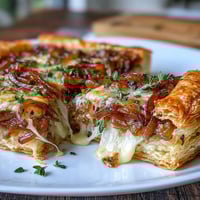
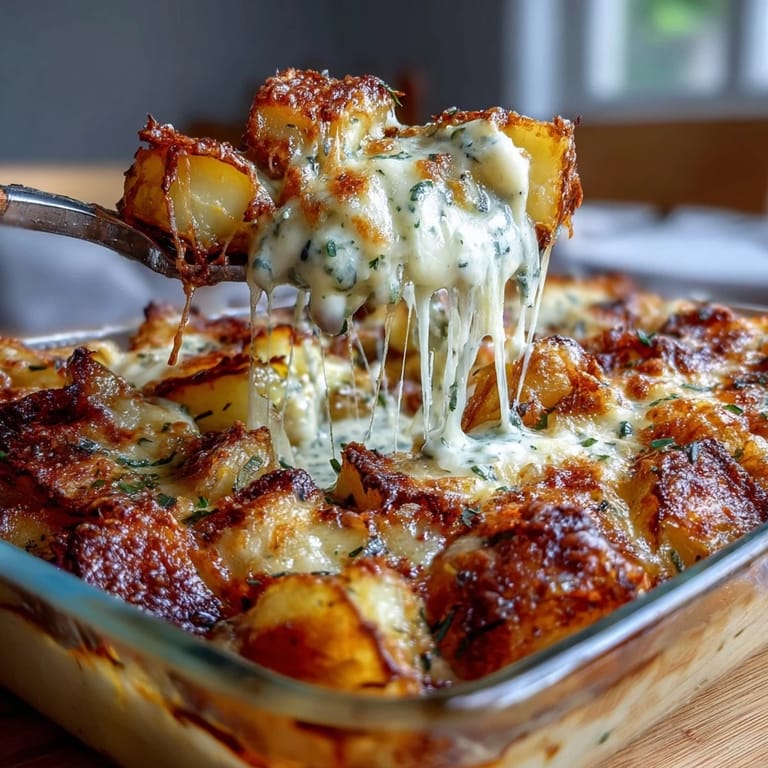
 Pin This
 My aunt pulled this casserole from her oven one Thanksgiving, and the kitchen filled with this smell that made everyone stop mid-conversation. Layers of golden potatoes and melted cheese that somehow stayed creamy instead of heavy—I asked for the recipe that same night. Turns out it's the kind of dish that looks fancy but doesn't demand much from you, which is exactly the kind of cooking I believe in.
I made this for a potluck where everyone brought the same casserole—except mine had that crispy golden top and actual depth of flavor, and suddenly people were asking if I'd made it from scratch. The funny part was admitting how simple it actually is, watching their faces as they realized they'd been overthinking scalloped potatoes their whole lives.
Ingredients
- Yukon Gold or Russet potatoes (2 lbs): Yukon Golds stay waxy and hold their shape better, but Russets get fluffier inside—pick based on what texture you're craving.
- Yellow onion (1 medium): Sliced thin so it softens into the sauce and disappears into sweetness rather than staying sharp.
- Sharp cheddar cheese (2 cups shredded): The sharp kind has actual flavor; mild cheddar will make this taste like you bought it from a steam table.
- Mozzarella cheese (1 cup shredded): It stretches and gets gooey, which is what makes the top texture interesting instead of just crumbly.
- Whole milk (2 cups): Don't use skim or low-fat—the fat is what keeps the sauce silky as it bakes.
- Unsalted butter (2 tbsp): This is your roux base, so use real butter and taste your seasoning before serving since the salt comes from you, not the butter.
- All-purpose flour (2 tbsp): Just enough to thicken the sauce without making it pasty or heavy.
- Salt, black pepper, garlic powder, paprika: Garlic powder adds depth the fresh kind would ruin, and paprika on top isn't just pretty—it's a flavor note.
Tired of Takeout? 🥡
Get 10 meals you can make faster than delivery arrives. Seriously.
One email. No spam. Unsubscribe anytime.
Instructions
- Heat and grease:
- Turn your oven to 375°F and rub a 9x13 baking dish with butter so nothing sticks later. This step matters more than it sounds.
- Make the roux:
- Melt butter over medium heat, add flour, and whisk for about a minute until it smells a little toasted and nutty. You're building flavor here, not just thickening.
- Create the sauce:
- Pour in milk slowly while whisking constantly—this is where lumps hide, so don't rush it. You want it to thicken just slightly, like heavy cream, which takes about 3 to 4 minutes of gentle heat.
- Add the cheese:
- Pull the pan off heat and stir in most of the cheese until it melts completely and smells incredible. The sauce should taste slightly salty and savory, with that deep cheese flavor you can taste on the back of your tongue.
- Layer like you mean it:
- Spread half the potatoes on the bottom, then half the onions, then half the sauce—be generous. Repeat with the rest, then top with remaining cheese and a shake of paprika.
- Bake covered then uncovered:
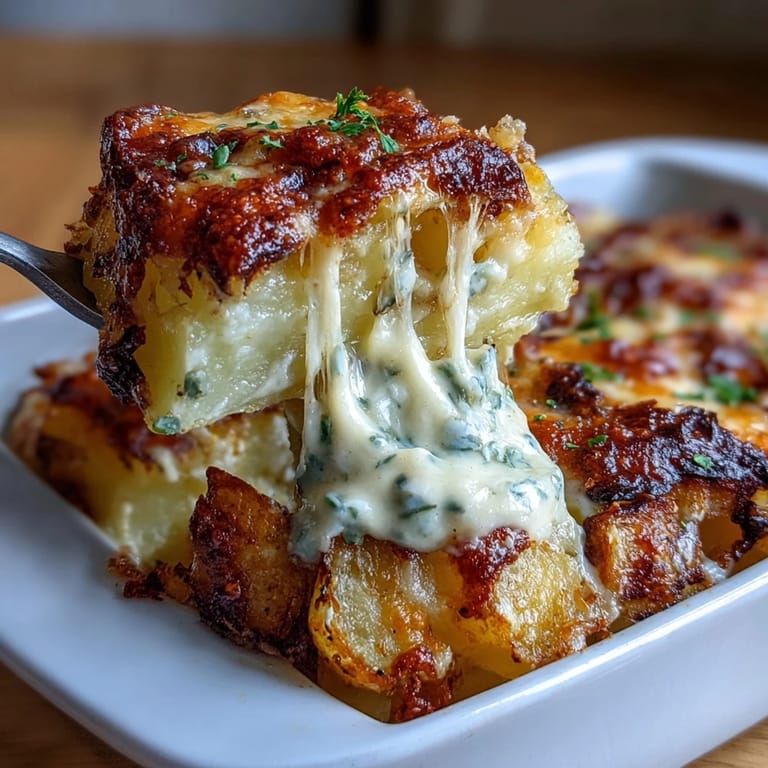
- Cover with foil and bake 40 minutes, then remove the foil and bake another 25 to 30 minutes until the potatoes are fork-tender and the top is golden and crispy. You'll know it's done when you can smell the cheese browning.
- Rest before serving:
- Let it sit for 10 minutes so the sauce sets slightly and each bite holds together instead of sliding around on the plate.
 Pin This
 A friend brought her kids over one Sunday and they ate three servings each—her six-year-old, who apparently hates cooked vegetables, asked for seconds. That's when I realized this dish isn't just comfort food; it's the kind of thing that makes people happy in a way that feels almost unfair for something so easy.
Why This Works Every Time
The magic isn't in fancy ingredients or complicated technique—it's in the balance between starch, dairy, and time. The potatoes release their own starch as they cook, which thickens the sauce naturally while staying creamy. Two cheeses give you both immediate melting and long-bake flavor, and covering it for half the cooking time prevents the top from drying out while the inside stays soft. This is one of those dishes where understanding why you do each step means you can adapt it without breaking it.
Make It Your Own
Once you understand the basic formula, you can play with it. I've added a pinch of nutmeg to the sauce, which makes it taste almost fancy without announcing itself. Fresh thyme stirred in at the end adds a green note that cuts through the richness. Some people swear by Gruyère instead of cheddar, and honestly, it's beautiful—deeper and almost nutty. You could also crisp up some bacon and scatter it on top, or add thinly sliced ham between the potato layers if you want something closer to a proper scallop.
Timing and Storage Wisdom
This is the kind of dish that gets better the next day, when all the flavors have settled in together. You can absolutely assemble it in the morning, cover it tightly, and bake it right before dinner—just add about 5 minutes to the covered baking time if it's coming straight from the fridge. Leftovers keep for about four days and reheat gently in a low oven.
- Slice your potatoes as uniformly thin as possible so they cook at the same rate and nobody ends up with crunchy bits.
- Taste the sauce before layering to make sure the seasoning is right—it's the last chance to adjust without starting over.
- Don't crowd the top with cheese; just enough to get golden is better than a thick blanket that bakes too fast.
 Pin This
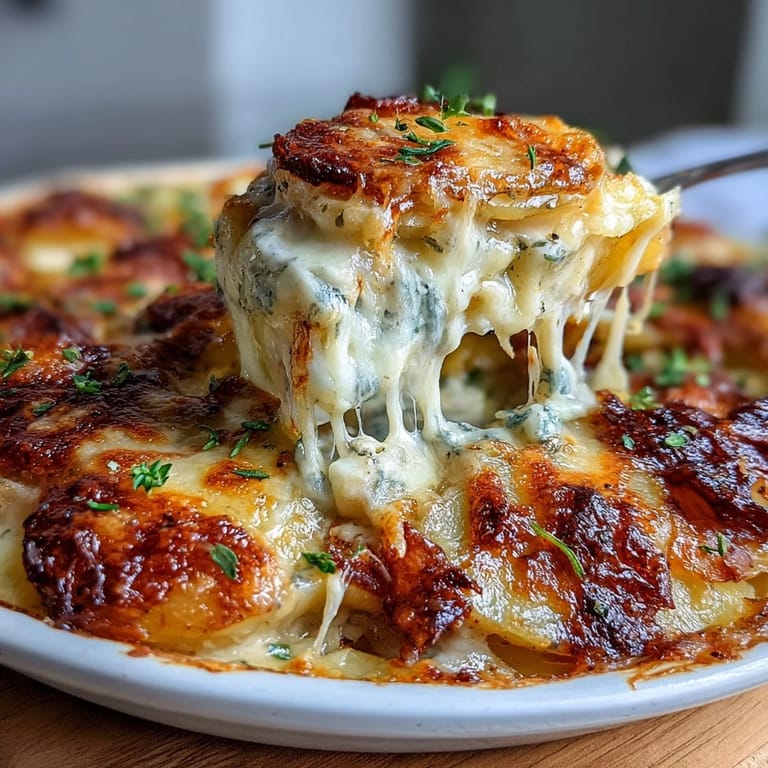
 This is the kind of recipe that lives in your back pocket, ready whenever you need something warm and honest on the table. Make it once and you'll find yourself making it again.
Recipe Q&A
- → What type of potatoes works best?
Yukon Gold or Russet potatoes are ideal for thin slicing and baking to tender perfection.
- → Can I substitute the cheeses used?
Gruyère or other melting cheeses can replace cheddar for a richer, more complex flavor.
- → How is the creamy sauce made?
A roux of butter and flour is combined with milk, then mixed with cheeses and seasonings for a smooth sauce.
- → Is there a way to add extra flavor?
A pinch of nutmeg or fresh chopped herbs added to the sauce enhances the taste and aroma.
- → Can this dish be prepared ahead of time?
Yes, it can be assembled hours before baking and cooked just prior to serving for convenience.
- → How do I ensure the top stays golden and bubbly?
Covering the dish initially with foil prevents over-browning, then uncovering during the last bake time achieves a golden crust.