 Pin This
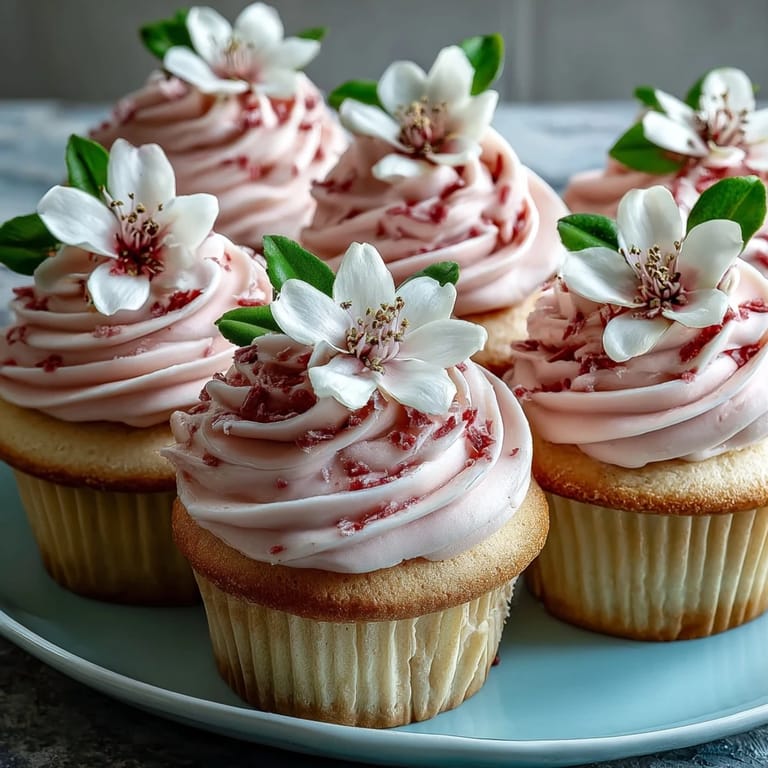
 My sister called me three weeks before her baby shower in a mild panic—she wanted cupcakes, but not just any cupcakes. She wanted them to look like a garden had bloomed right on top of each one. I'd never piped flowers before, but there was something about the challenge that felt right, like the kind of thing you do for people you love. That afternoon, I spent hours practicing on parchment paper, learning how to coax buttercream into petals, and by the time I showed up with a box of pale pink and lavender flowers crowning vanilla sponge, I understood why she'd asked.
What I didn't expect was watching my brother-in-law actually get emotional when he saw the cupcakes arranged on the table. He kept saying they looked too pretty to eat, which of course everyone ignored about two minutes later. But that moment—where something handmade and a little imperfect made someone's day feel more special—that's when these cupcakes stopped being just dessert.
Ingredients
- All-purpose flour: The structure of everything; make sure it's measured by spooning and leveling, not scooping straight from the bag, or you'll end up with dense, sad cupcakes.
- Granulated sugar: Beaten together with softened butter until it's almost white and fluffy—this is what gives cupcakes their tender crumb.
- Unsalted butter, softened: Room temperature is non-negotiable; cold butter won't incorporate properly and you'll have a greasy disaster.
- Large eggs, room temperature: Cold eggs seize up the batter; leave them out for 15 minutes before you start, or soak them briefly in warm water.
- Whole milk, room temperature: The same temperature logic applies here; it helps everything emulsify smoothly.
- Pure vanilla extract: Use the real stuff—imitation tastes tinny and slightly off when you're going for delicate flavors.
- Baking powder: Check that it's fresh by opening the container and smelling it; old baking powder smells flat and dusty.
- Salt: A quarter teaspoon might seem tiny, but it balances the sweetness and makes the vanilla sing.
- Powdered sugar for buttercream: Sift it before measuring or you'll have hard, lumpy frosting that fights you while piping.
- Food coloring: Gel colors work better than liquid because they don't water down your buttercream the way liquid dyes do.
Tired of Takeout? 🥡
Get 10 meals you can make faster than delivery arrives. Seriously.
One email. No spam. Unsubscribe anytime.
Instructions
- Get your mise en place ready:
- Preheat the oven to 350°F and line your muffin tin with liners—this takes two minutes and saves you from sticking cupcakes later. Have all your ingredients measured and within arm's reach because once you start mixing, you're moving fast.
- Whisk the dry ingredients:
- Combine flour, baking powder, and salt in a medium bowl, whisking them together so the leavening distributes evenly. This prevents those random dense pockets that sometimes appear in the center of cupcakes.
- Cream the butter and sugar:
- Beat them on medium speed for 2 to 3 minutes until the mixture looks pale, fluffy, and almost resembles wet sand—this incorporates air and creates lift. Don't rush this step; you'll actually feel the difference in texture.
- Add eggs one at a time:
- Mix thoroughly after each egg so the batter stays emulsified and silky. If the mixture looks slightly curdled after the second egg, don't panic; a splash of flour will bring it back together.
- Alternate dry and wet ingredients:
- Start with half the flour mixture, mix until barely combined, then add milk, then the remaining flour—this prevents overworking the batter, which leads to tough, dense cupcakes. Scrape the bowl between additions so nothing hides at the bottom.
- Fill and bake:
- Divide batter evenly (an ice cream scoop helps) so all cupcakes bake at the same rate, filling each liner about two-thirds full. Bake for 16 to 18 minutes until a toothpick comes out clean and the tops spring back when lightly touched.
- Cool completely before decorating:
- This is crucial; warm cupcakes will melt your buttercream and your flowers will slide right off. Set them on a wire rack and actually wait; it takes about an hour, but it's worth every minute.
- Make the buttercream base:
- Beat softened butter on medium speed until it looks creamy and pale, about 2 minutes. Gradually add sifted powdered sugar so it doesn't fly everywhere, then add vanilla and milk until the consistency is smooth and pipeable—not too stiff, not too soft.
- Tint your colors:
- Divide buttercream into small bowls and add gel food coloring a tiny bit at a time, mixing thoroughly; colors deepen as you work. Start light because you can always add more, but you can't take it out.
- Practice piping before you commit:
- Fit your piping bags with flower tips and practice on a piece of parchment paper first—you'll figure out the pressure and motion without ruining cupcakes. It feels silly but it actually works; muscle memory matters.
- Pipe flowers and leaves:
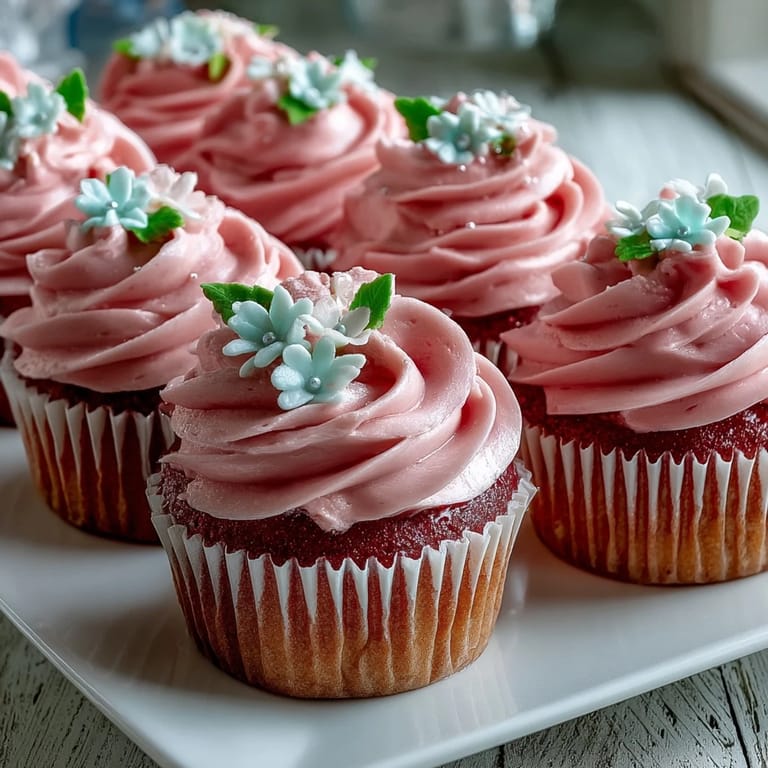
- Hold the piping bag perpendicular to the cupcake and squeeze gently while turning your wrist, letting the tip create petals naturally. Layer different colors and heights so it looks like actual blooms, not a flat decoration.
 Pin This
 I've made these cupcakes four times since that shower, and each time someone asks how long they took, expecting the answer to be complicated. When I say about 45 minutes total, they look shocked—like something that beautiful can't possibly be quick. But that's the secret nobody tells you: elegance doesn't always mean difficult, sometimes it just means caring enough to try.
The Science of Tender Cupcakes
The reason these cupcakes have such a delicate crumb isn't magic—it's about understanding why we do what we do. Beating butter and sugar together incorporates air bubbles that create structure, but only if the butter is soft enough to accept them; cold butter just breaks into tiny pieces and refuses to cooperate. The alternating method of adding dry and wet ingredients prevents overdeveloping gluten, which would make everything tough and chewy instead of tender and fine. Even the temperature of your eggs and milk matters because cold ingredients won't blend smoothly with the already-emulsified butter and sugar, causing the mixture to look curdled and making a denser final product.
Mastering the Buttercream
Buttercream is forgiving once you understand what you're looking for. The butter needs to be soft enough that your finger sinks in easily, but not so warm that it turns into grease; this is genuinely the most common mistake people make when they say their frosting won't cooperate. Sifting the powdered sugar seems fussy, but lumps are permanent—they'll never dissolve no matter how long you beat—so the 30 seconds it takes to sift is time spent preventing frustration. The milk adjusts consistency; you want it thick enough to hold a shape when piped, but soft enough that squeezing the bag doesn't feel like exercise. Gel coloring matters because it's concentrated flavor and color without added liquid that would thin everything out.
Making Flowers Look Real
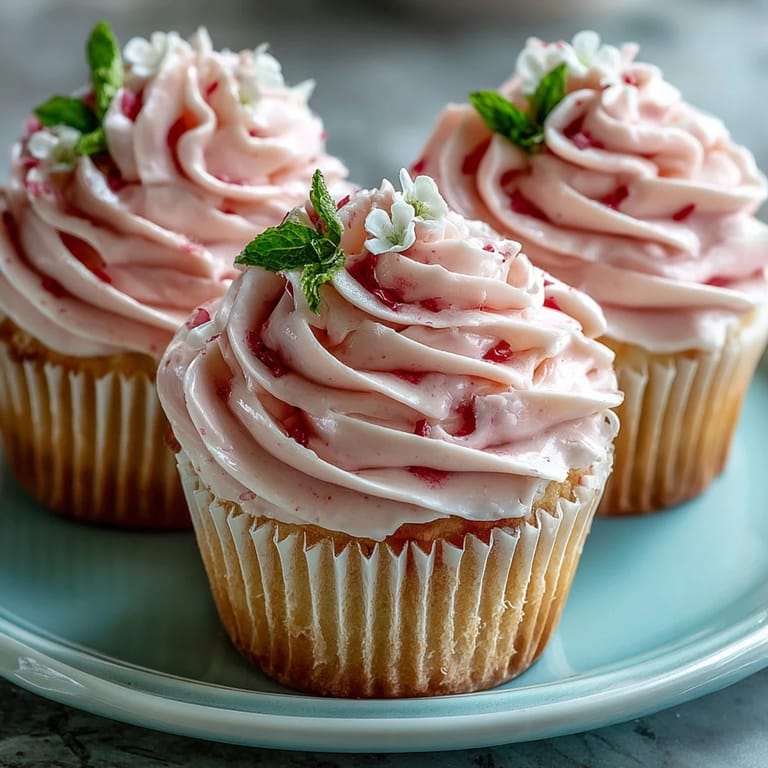
The trick to flowers that don't look cartoonish is accepting that they don't have to be perfect—actual flowers aren't symmetrical, and neither should yours be. Varying the colors creates depth; a pink flower with white highlights looks three-dimensional while a solid pink one looks flat and painted on. Layering different sizes of flowers and mixing in green leaves gives the effect of an actual bouquet rather than cupcakes with decorations on top. Your piping pressure should be gentle and consistent; tight squeezing creates blobs while relaxed pressure creates actual petals that catch light differently and look more natural.
- Practice on parchment paper the night before so you're confident and calm, not stressed while working on your final cupcakes.
- Let your piping bag rotate naturally as you squeeze instead of trying to control every movement; it creates more organic-looking petals.
- A small offset spatula is useful for cleaning up any messy spots around the base of flowers right after piping while the buttercream is still soft.
 Pin This
 These cupcakes taught me that the most impressive desserts aren't always the most complicated ones—sometimes they're just the ones made with attention and a little courage. Every time someone bites into one and pauses to say how soft and delicate the cake is, I remember why I bothered learning to pipe flowers in the first place.
Recipe Q&A
- → How do I achieve a smooth buttercream consistency?
Beat butter until creamy before gradually adding powdered sugar. Add milk slowly until you get a fluffy, pipeable texture perfect for decorating.
- → Can I prep the cupcakes in advance?
Yes, bake and cool completely, then decorate just before serving. Store undecorated cupcakes airtight at room temperature for up to 2 days.
- → What piping tips work best for flower designs?
Use specialized flower and leaf tips such as Wilton 104, 352, or 1M to create varied petal shapes and leaves.
- → Any tips to prevent cake from sticking to liners?
Line muffin tins with cupcake liners before pouring batter. This ensures easy removal and cleaner presentation.
- → How can I add extra flavor to the cupcakes?
Incorporate a touch of lemon zest into the batter for a subtle zesty note that complements the vanilla.