 Pin This
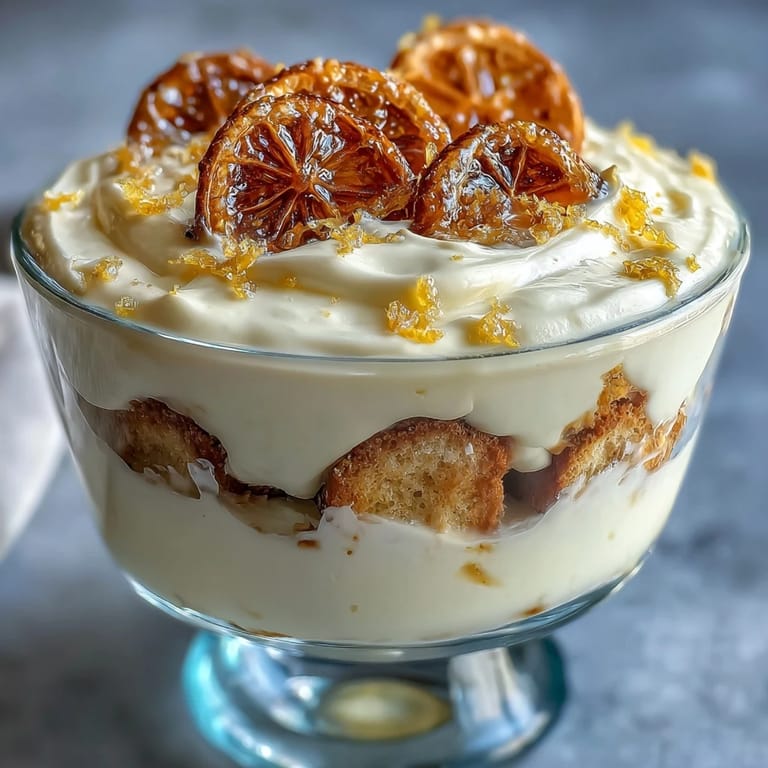
 There's something about the sharp brightness of limoncello that stopped me mid-bite one summer evening at my neighbor's dinner party. She'd made a tiramisu that tasted like sunshine in a glass, and I spent the rest of the night pestering her for the secret. It turns out, that golden liqueur transforms the heavy richness of mascarpone into something entirely new—lighter, more playful, somehow both elegant and casual all at once.
I made these for the first time when my sister announced she was bringing her new partner to family dinner, and I was inexplicably nervous. Plating them into individual glasses felt like a small act of confidence, and when everyone leaned back with those satisfied sighs, I realized I'd accidentally created something that looked far more complicated than it actually was. That's when I understood the real magic here: tiramisu doesn't need to be intimidating or fussy.
Ingredients
- Mascarpone cheese, chilled (250 g): This is your foundation, so use the best quality you can find and keep it cold—it'll whip into clouds instead of turning greasy.
- Heavy cream, cold (200 ml): The cold matters more than you'd think; it gives you those perfect soft peaks that feel like air between your teeth.
- Granulated sugar (80 g): Enough to sweeten without overwhelming, though you can adjust based on how tart your lemon ingredients lean.
- Lemon zest (from 1 lemon): Microplane it fresh and use it immediately for maximum fragrance and brightness.
- Pure vanilla extract (1 tsp): A whisper of vanilla makes the lemon pop rather than compete.
- Limoncello liqueur (120 ml): The star ingredient that gives this its character; don't skimp on quality here.
- Fresh lemon juice (60 ml): Balances the sweetness of the limoncello with real citrus acid.
- Water (60 ml): Dilutes the syrup so the ladyfingers absorb flavor without becoming soggy.
- Ladyfinger biscuits, about 18 pieces (150 g): Look for Italian savoiardi if you can; they're less sweet and hold up better to dipping.
- Lemon zest, for garnish: A final flourish that promises brightness before the spoon reaches your mouth.
- Fresh mint leaves, optional: Adds a cool herbal note and looks stunning against the pale cream.
Tired of Takeout? 🥡
Get 10 meals you can make faster than delivery arrives. Seriously.
One email. No spam. Unsubscribe anytime.
Instructions
- Make the syrup first:
- Whisk together the limoncello, fresh lemon juice, water, and sugar in a small bowl until the sugar completely dissolves. This takes about thirty seconds if you're paying attention, and the smell alone will make you wonder why you don't cook with limoncello more often. Set it aside while you work on the cream.
- Whip the cream until it holds soft peaks:
- Using an electric mixer or a hand whisk (your arm will know you worked for this if you choose the whisk), beat the cold heavy cream with sugar and vanilla until it reaches soft peaks—the moment when it mounds slightly but still looks billowy and cloud-like. Don't push it to stiff peaks or you'll miss that silky texture.
- Fold in the mascarpone and lemon zest gently:
- Add the cold mascarpone and lemon zest to your whipped cream and fold it together with a spatula using light, deliberate strokes. This moment requires a gentle hand; overmixing will deflate all your beautiful work and turn the mixture grainy and separated.
- Break and dip the ladyfingers:
- Snap each ladyfinger into 2 or 3 pieces that'll fit into your serving glasses, then give each piece a quick one-second dip into the limoncello syrup—this is not a bath, it's a kiss. The goal is flavor without sogginess, so speed matters.
- Layer with intention:
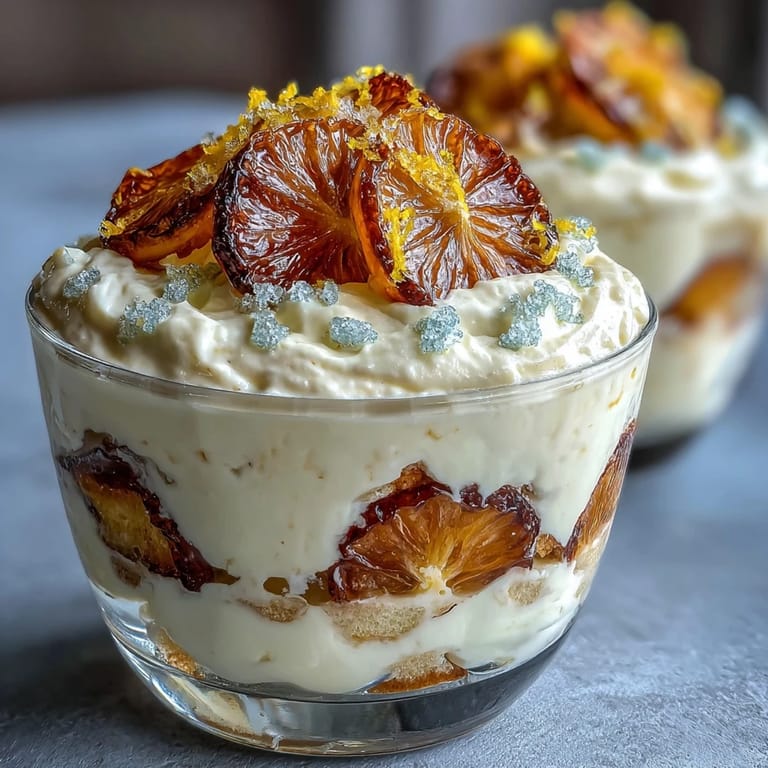
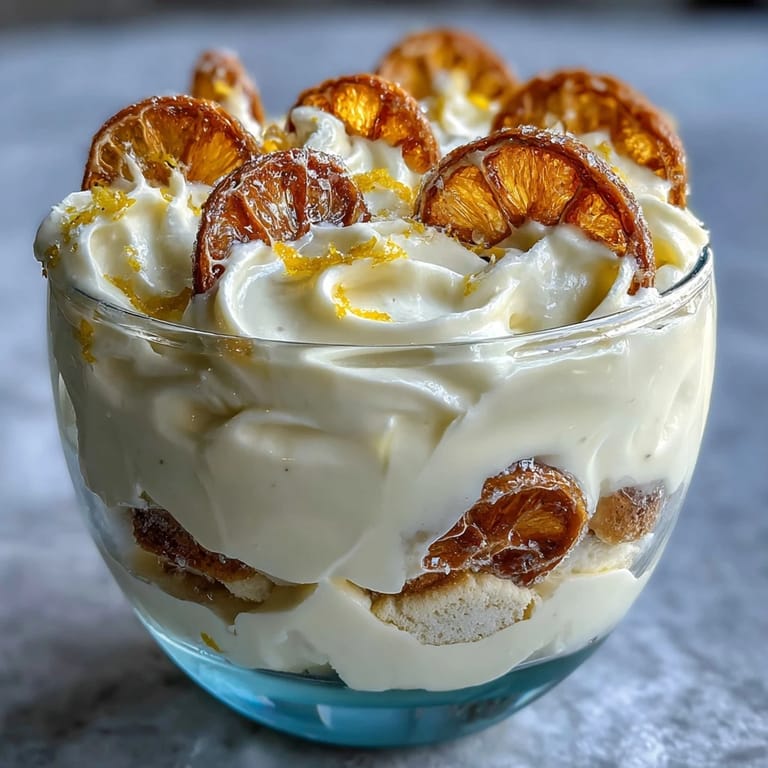
- Start with a single layer of dipped ladyfingers at the bottom of each glass, then spoon over a generous layer of mascarpone cream—about a third of it. Add another layer of syrup-dipped ladyfingers, then the rest of the cream on top. The glass should feel luxuriously full without overflowing.
- Chill for at least 2 hours:
- Cover the glasses and slide them into the refrigerator, where the flavors will deepen and the textures will set into something magical. You can make these up to a day ahead without any loss of quality.
- Garnish just before serving:
- Use a microplane to add fresh lemon zest across the top, scatter mint leaves if you're feeling fancy, and serve them cold and proud.
 Pin This
 My partner once asked me why I bothered making dessert at home when we could just go to a restaurant, and I handed him one of these on a Tuesday night without explanation. He understood somewhere between the first spoonful and the bottom of the glass. There's a difference between eating something delicious and tasting someone's care layered in a glass.
Why Tiramisu Gets a Summer Makeover
Traditional tiramisu is a winter dessert in my mind—all dark cocoa powder and coffee-soaked sponge that feels appropriate on a cold evening. But limoncello tiramisu arrived in my kitchen like someone threw open all the windows at once, and suddenly the heavy cream became something bright instead of heavy. It's the same technique, the same structure, but with a completely different personality. The lemon doesn't fight the mascarpone; it dances with it, making every spoonful feel lighter and more alive than its darker cousin.
The Dipping Question Everyone Asks
My first attempt at assembling these, I soaked the ladyfingers like I would for regular tiramisu, and they turned into mushy disappointment by the time I got them into glasses. I learned the hard way that these biscuits are delicate, and the high water content of the limoncello syrup means you need restraint. A quick dip—truly just one second—gives you all the flavor you need without the texture sacrifice. Think of it as teaching the ladyfinger to taste limoncello without letting it drown in it.
Customization Ideas and Small Variations
One of my favorite discoveries came when I had a guest allergic to alcohol, so I swapped the limoncello for a homemade lemon syrup made by combining equal parts fresh lemon juice and simple syrup. It tasted different but equally delicious, proving that the spirit here isn't the limoncello itself but the concept of bright citrus cutting through rich cream. I've also experimented with a thin layer of lemon curd spread between the ladyfingers and cream, which adds a deeper lemon intensity and slight tartness that feels almost sophisticated. Some nights I skip the vanilla entirely and let the lemon be the solo voice, while other times I've stirred in a tablespoon of limoncello directly into the mascarpone cream for a more integrated flavor. The beauty of this dessert is how forgiving it is to small adjustments, as long as you keep the core structure intact.
- A pinch of fresh thyme in the cream layer brings an unexpected herbal complexity that catches people mid-spoonful in the best way.
- Try dusting the very top with a tiny amount of finely grated lemon zest right before serving to promise brightness with every single bite.
- If you have leftover limoncello syrup, keep it refrigerated for up to five days to dip additional ladyfingers into, making assembly quick and simple if you need to remake these.
 Pin This
 These cups became my go-to dessert for the gap between spring and full summer, that moment when warm weather arrives but the season still feels unsettled. They're light enough to serve after a heavy meal, impressive enough for guests, and simple enough that you can make them while actually present in your own evening. That's everything I look for in a recipe.
Recipe Q&A
- → How do I prepare the limoncello syrup?
Combine limoncello, fresh lemon juice, water, and sugar in a bowl. Stir until the sugar dissolves completely, then set aside for dipping the ladyfingers.
- → Can I make these cups ahead of time?
Yes, these cups can be prepared up to one day in advance and chilled to allow flavors to meld and the layers to set.
- → What alternatives exist for a non-alcoholic version?
Replace limoncello with a lemon syrup made from equal parts lemon juice and simple syrup to maintain the citrus flavors without alcohol.
- → How is the mascarpone cream prepared?
Whip cold heavy cream with sugar and vanilla until soft peaks form. Gently fold in mascarpone cheese and lemon zest until smooth but not overmixed.
- → What garnishes enhance the cups’ flavor?
Fresh lemon zest and mint leaves add bright, aromatic notes and a fresh finish to the layered cups.